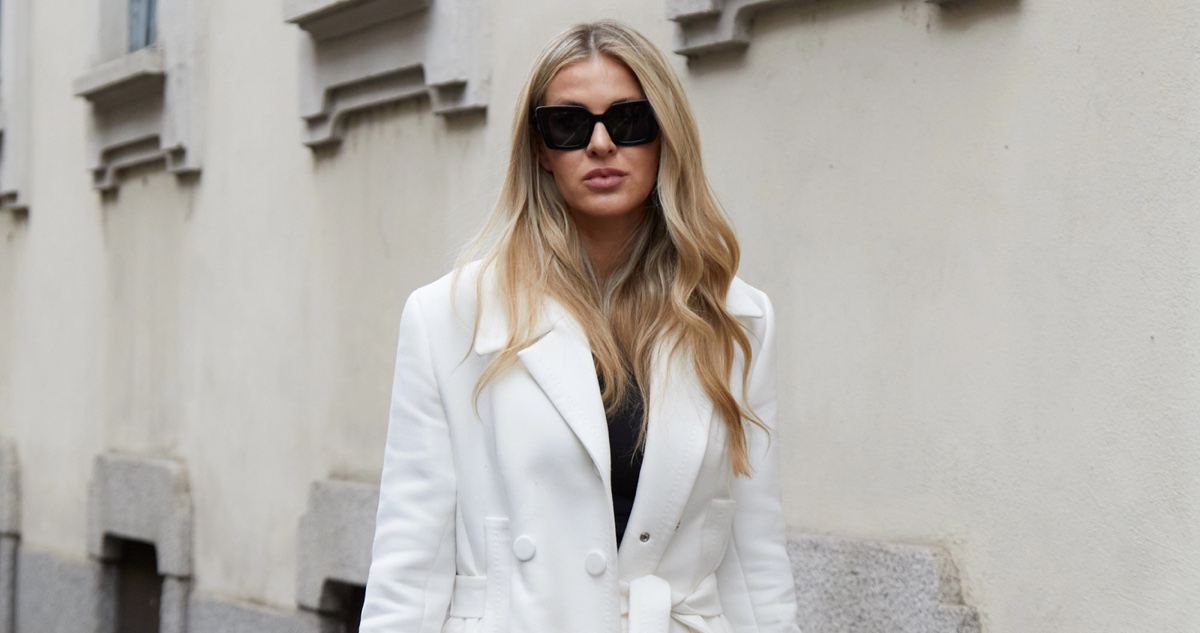
A runway look can change the way you see an ordinary piece of clothing. Picture a long coat with a high, curved collar and sleeves that stand slightly away from the arms. On the catwalk, the shape reads in an instant.
Bringing it into daily life means rethinking the coat’s weight, movement, and fit while keeping that collar intact. The real work lies in holding on to what made the look exciting as everything around it shifts.
From Showpiece to Wardrobe
No single route leads from a show to a closet. Some runway pieces are comfortable enough to wear straight off the catwalk. Others express an idea at a scale built for the stage.
A collection can also spin off separate designs that borrow a silhouette, color, or detail from the showpiece. For the coat, the collar could become the thread connecting each version, even as the length and fabric change.
Sketching the Shape

The first decisions are often visual. How high should the collar rise when fastened? Does it frame the face as neatly when worn open? A sleeve that looks balanced from the front may seem too wide in profile, and a shorter hem can give the coat a different rhythm entirely. Sketches help explore those possibilities.
The design comes into focus once a team studies it from every angle and imagines it in motion.
Putting It on Paper: The Tech Pack
That vision needs a shared set of instructions. The team might capture the chosen version in a complete clothing tech pack: drawings of the front and back, named measurements, materials, and notes on how the coat comes together.
The record can also track which details changed during development. A collar described only as “dramatic” leaves room for guesswork. A drawing and measurements give the patternmaker and sample maker something precise to build from.
Choosing the Fabric

Fabric can transform a design before a single seam is sewn. A dense wool may hold the curved collar upright and give the coat a clean outline, though it can add weight across the shoulders.
A softer cloth may feel easier to wear while letting the collar slump. Lining, interfacing, buttons, and closures all play a part. Teams handle the materials and test combinations by hand, since a cloth’s behavior is hard to judge from its looks alone.
Building the Pattern
Next, a patternmaker translates the shape into pieces that can be cut and joined. The collar has to meet the neckline. The sleeve has to let an arm lift. The front must close without pulling. Small choices ripple through the whole line.
Move a seam, and the coat may hang differently. Shift a pocket, and a hand may find it naturally or have to hunt for it. Skilled pattern work makes the design wearable while keeping its proportions in view.
The First Sample

The first sample is where those decisions meet a body. A coat that looks right on a dress form may bunch behind the neck or swing open with each step. Its wearer reaches forward, sits down, and fastens it, testing whether that bold outline holds up through everyday movement.
During a fit review, the designer, patternmaker, and other team members study the garment together, pin possible changes, and check that the collar still carries the presence that sparked the idea. They may photograph the sample and note what needs to change before the next one is made.
Fitting Across Sizes
One successful fitting is only the start. Once a base size works, the team turns to the full size range, since few features scale neatly on their own. The curve of the collar, the width of a cuff, and the placement of a pocket may each need adjusting from size to size.
The goal is a coat that feels considered on every body, with room to move and the same clear shape.
Revisions and Final Approval

Development often circles back on itself. A better fit might call for a new closure. A fabric change might require a new collar pattern. Dated revisions help the people making the next sample follow the latest decisions.
Even a promising first sample is still a trial. Before production, the team signs off on the final version, including its fit, fabric, trims, construction, sizes, and finishing details.
The Finished Coat

Once the coat reaches a wardrobe, its wearer may never see those steps. They’ll feel them when the collar sits comfortably, the sleeve moves freely, and the shape holds with every stride.
The finished piece may be quieter than the runway look, or every bit as bold. Either way, its link to the show lives on in the one design choice that survived every fitting and revision.