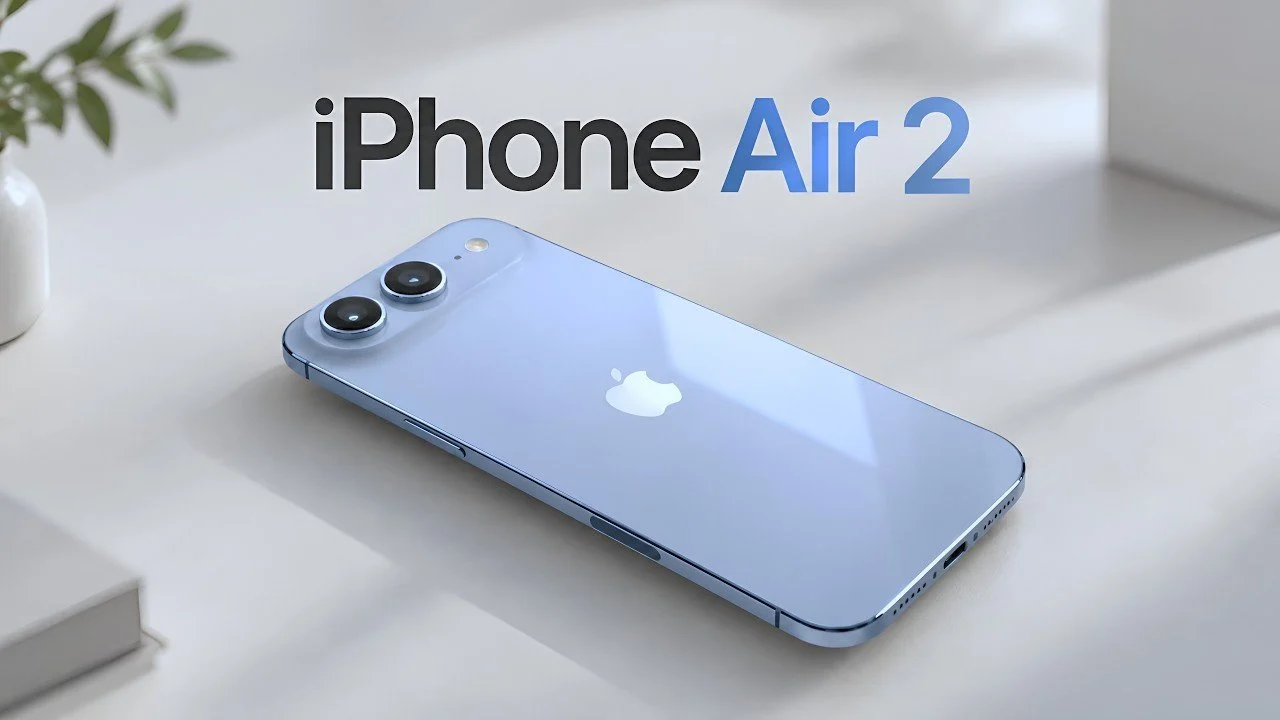
Apple’s rumored iPhone Air 2 is generating buzz with its ultra-thin design, upgraded hardware, and dual rear camera system. While these features aim to enhance the user experience, the device’s focus on extreme slimness raises critical questions about its practicality. Concerns surrounding performance, battery life, and thermal management suggest that Apple may be treading a fine line between innovation and compromise. With a premium price tag, the iPhone Air 2 risks repeating the challenges faced by previous niche models that struggled to resonate with a broader audience.

Ultra-Thin Design: Striking a Balance Between Form and Function
The iPhone Air 2 is expected to measure an astonishingly slim 5.2 mm in thickness, making it one of the thinnest smartphones ever produced. This design is likely to appeal to users who prioritize sleek aesthetics and portability. However, the pursuit of thinness often comes with significant trade-offs that could impact the device’s overall usability. Key areas of concern include:
- Battery capacity: A thinner body limits space for a larger battery, potentially reducing usage time and requiring more frequent charging.
- Audio quality: Compact designs often compromise speaker performance, which could affect sound clarity and volume.
- Thermal management: Slim devices struggle to dissipate heat effectively, increasing the risk of overheating during prolonged use.
While the ultra-thin design may capture attention, these compromises could alienate users who prioritize functionality over aesthetics. For many, a smartphone’s practicality often outweighs its visual appeal.
Hardware Upgrades: Incremental Enhancements with Limitations
The iPhone Air 2 is rumored to feature several hardware improvements aimed at boosting performance and user satisfaction. These include:
- A dual rear camera system designed to enhance photography capabilities.
- A modest battery capacity increase from 3,150 mAh to 3,500 mAh, offering slightly longer usage times.
- The introduction of the A20 Pro chip, which promises improved efficiency and processing power.
While these upgrades are noteworthy, they may not fully address the limitations imposed by the device’s ultra-thin design. For instance, the 10% increase in battery capacity might still fall short for users engaging in power-intensive activities like gaming or video streaming. Similarly, while the dual-camera system is an improvement, it lags behind the triple-camera setups offered by many competing premium smartphones. Additionally, the compact form factor could necessitate scaled-back GPU configurations, potentially impacting graphics performance during demanding tasks.
Thermal Management: A Persistent Challenge
One of the most significant challenges for ultra-thin smartphones is effective heat dissipation. The iPhone Air 2’s slim profile could exacerbate this issue, particularly during prolonged or intensive use. Overheating not only affects user comfort but can also trigger performance throttling, where the device reduces its processing power to prevent damage. This throttling can lead to slower performance, diminished multitasking capabilities and an overall less satisfying user experience. Furthermore, consistent thermal issues may raise concerns about the device’s long-term durability, potentially deterring users who prioritize reliability.
Premium Pricing: Justifying the Cost
With an anticipated price range of $1,099 to $1,199, the iPhone Air 2 firmly positions itself as a premium device. At this price point, consumers expect a smartphone that delivers a seamless balance of functionality, reliability and innovative features. However, the compromises tied to the ultra-thin design may make it difficult for the iPhone Air 2 to meet these expectations. Key consumer priorities in this segment often include:
- Long-lasting battery life to support extended usage without frequent recharging.
- Robust performance for multitasking, gaming and other demanding applications.
- Versatility in features and design, making sure the device can adapt to a wide range of user needs.
Competing models from other manufacturers often address these priorities more effectively by opting for practical designs that do not sacrifice functionality for aesthetics. This raises the question of whether the iPhone Air 2 can justify its premium pricing in a highly competitive market.
Learning from Past Models
Apple’s focus on design minimalism with the iPhone Air 2 echoes the approach taken with previous niche models like the iPhone 13 Mini and iPhone 16 Plus. While these devices stood out for their unique form factors, they struggled to achieve widespread success due to their limited appeal. The iPhone 13 Mini, for example, catered to users seeking compact smartphones but faced criticism for its short battery life. Similarly, the iPhone 16 Plus offered a larger display but failed to deliver the performance enhancements expected at its price point.
By emphasizing thinness with the iPhone Air 2, Apple risks alienating a significant portion of its customer base, particularly those who value performance, durability and practicality over design minimalism. The company’s ability to strike the right balance between form and function will likely determine whether the iPhone Air 2 can avoid the pitfalls of its predecessors.
The Road Ahead for Apple
The iPhone Air 2 represents Apple’s ambitious attempt to redefine smartphone design. Its ultra-thin body and hardware upgrades showcase the company’s commitment to innovation. However, the compromises associated with its design, such as reduced battery capacity, potential thermal issues and limited hardware scalability, pose significant challenges. In a market where consumers increasingly prioritize functionality, reliability and value, the iPhone Air 2 faces an uphill battle to prove its worth.
Apple’s ability to learn from the lessons of its past niche models will be crucial in determining the iPhone Air 2’s success. By addressing the practical concerns of its user base and recalibrating its design philosophy, the company has an opportunity to create a device that appeals to a broader audience. Whether the iPhone Air 2 can achieve this balance remains uncertain, but its reception will undoubtedly shape Apple’s future approach to smartphone innovation.
Learn more about iPhone Air 2 with other articles and guides we have written below.
Source & Image Credit: Demon’s Tech
Disclosure: Some of our articles include affiliate links. If you buy something through one of these links, techschimp Gadgets may earn an affiliate commission. Learn about our Disclosure Policy.