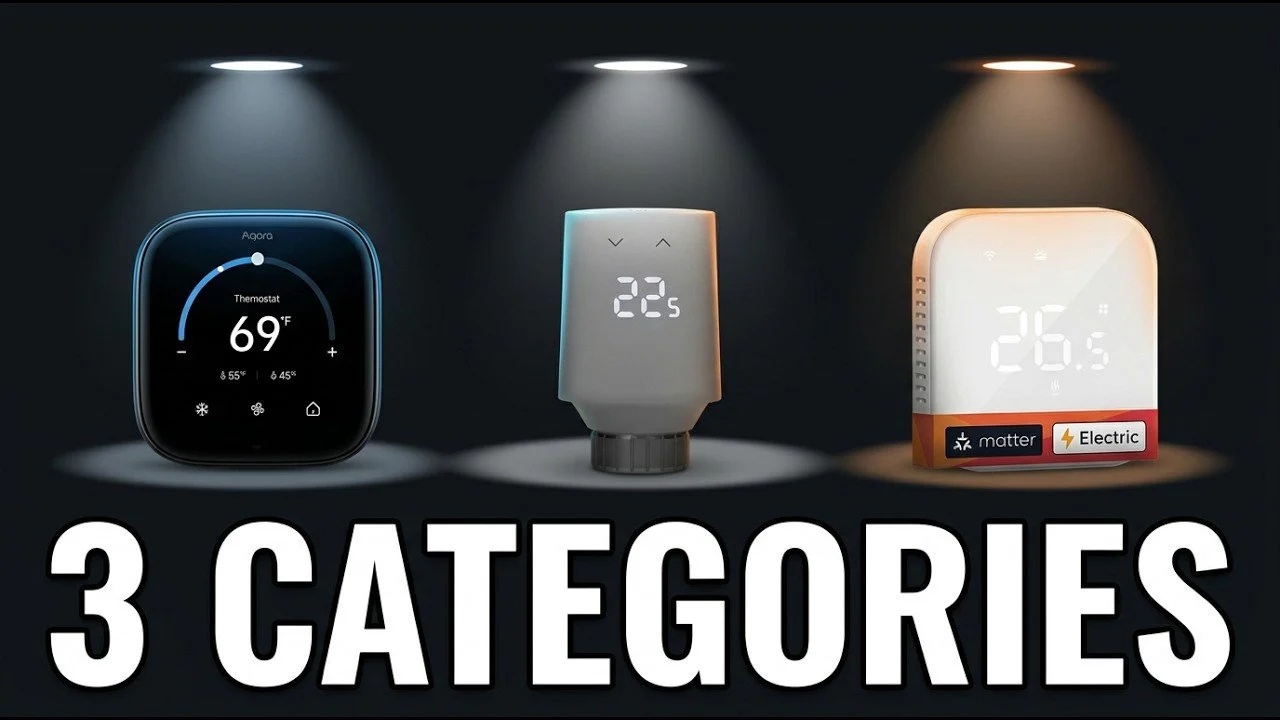
Smart thermostats have become an essential part of modern home automation, offering features like scheduling, energy monitoring and integration with popular smart home platforms. However, selecting the right device can be challenging, especially when factors like heating system compatibility and connectivity protocols come into play. In a detailed comparison by A Smarter House, over 20 models are evaluated, highlighting key considerations such as the need for a C-wire in U.S. forced-air systems or the role of thermostatic radiator valves (TRVs) in European hydronic setups. This breakdown emphasizes the importance of understanding your heating system to avoid compatibility issues and optimize performance.
Explore how different thermostats align with your smart home ecosystem, from Matter-certified devices like the Aqara W200 to locally controlled options such as the Honeywell T6 Pro Z-Wave. Gain insight into the trade-offs between cloud-based convenience and the reliability of local control, as well as the implications of connectivity protocols like Zigbee, Thread and Wi-Fi. Whether you’re prioritizing advanced features, cross-platform integration, or long-term reliability, this overview equips you with the knowledge to make an informed choice.
Heating System Compatibility: The First Step
TL;DR Key Takeaways :
- Smart thermostats offer advanced features like energy monitoring, scheduling and smart home integration, but selecting the right model requires understanding heating system compatibility and connectivity protocols.
- Heating system compatibility is crucial: U.S. homes often need C-wire support for 24V forced-air systems, while European systems may require TRVs or boiler controls for hydronic heating.
- Ecosystem integration varies; Matter-certified devices simplify cross-platform compatibility but may limit advanced features to native apps.
- Connectivity protocols like Wi-Fi, Zigbee, Z-Wave and Thread offer different benefits, with local control options providing reliability independent of cloud services.
- Cloud dependency and Matter protocol limitations can restrict functionality; prioritize local control or evaluate native app features for advanced capabilities.
The foundation of choosing a smart thermostat lies in making sure compatibility with your heating system. In the U.S., most homes rely on 24V forced-air systems, which often require a C-wire for continuous power. If your system lacks a C-wire, you may need an adapter or a battery-powered thermostat. In Europe, hydronic systems such as radiators, boilers and underfloor heating are more common, often requiring thermostatic radiator valves (TRVs) or boiler control systems. For electric floor heating, safety features like ground fault protection are essential. Here are some top recommendations based on heating systems:
- U.S. Forced-Air Systems: The Honeywell T6 Pro Z-Wave provides reliable local control, while the Aqara W200 supports advanced features and Matter compatibility.
- European Radiator Systems: TRVs like the Aqara E1 (Zigbee) and Eve Thermo (Thread) are excellent options for precise control.
- Boiler Control: The Tado X system excels in managing boilers with high precision and efficiency.
- Electric Floor Heating: The Aqara W500 (Zigbee) ensures dependable local control, while the Meross MTS215 (Matter over Wi-Fi) offers a budget-friendly alternative.
Understanding your heating system’s requirements is critical to avoid compatibility issues and ensure optimal performance.
Ecosystem Integration: Seamless or Limited?
Smart thermostats often integrate with popular platforms like Apple Home, Google Home, Amazon Alexa, SmartThings, Home Assistant and Homey. However, the level of integration varies and some advanced features may only be accessible through the thermostat’s native app. Matter-certified devices aim to simplify cross-platform compatibility, but they often limit functionality to basic controls. For example:
- The Aqara W200 supports Zigbee, Thread and Matter, making it highly versatile across ecosystems. However, advanced features like energy usage reports may still require the Aqara app.
- The Tado X system integrates well with Matter over Thread but relies on its app for advanced functionality, such as adaptive scheduling and detailed energy analytics.
Before purchasing, ensure the thermostat’s ecosystem integration aligns with your preferred platform and supports the features you value most.

Gain further expertise in smart home devices and setups by checking out these recommendations.
Connectivity Protocols: What Works Best?
Smart thermostats use various connectivity protocols, each offering unique advantages. Choosing the right protocol depends on your priorities, such as local control, energy efficiency, or ease of setup.
- Wi-Fi: Widely compatible and easy to set up, but it depends on a stable internet connection for most features.
- Zigbee and Z-Wave: Ideal for local control and integration with smart home hubs like SmartThings or Home Assistant. These protocols are reliable and less dependent on the cloud.
- Thread: A newer protocol designed for low-power, fast communication, often used in Matter-certified devices for enhanced interoperability.
For those prioritizing local control, the Honeywell T6 Pro Z-Wave and Aqara W500 (Zigbee) are excellent choices. If you prefer Matter-certified devices, the Aqara W200 and Meross MTS215 offer broad compatibility, though advanced features may require the manufacturer’s app.
Cloud Dependency Risks: What to Watch For
Cloud-dependent thermostats rely on internet connectivity and manufacturer servers for functionality. While this enables remote access and software updates, it introduces potential risks. For instance, Google discontinued support for its Nest 1st and 2nd Gen thermostats, leaving users without critical features. Additionally, subscription-based models like those from Tado, Netatmo and Ecobee may restrict functionality unless you pay for premium services.
If reliability and long-term functionality are priorities, consider thermostats with local control options. Devices like the Honeywell T6 Pro Z-Wave and Aqara W500 (Zigbee) operate independently of the cloud, making sure uninterrupted performance even if the manufacturer discontinues support.
Matter Protocol Limitations: A Trade-Off
The Matter protocol is designed to simplify smart home integration by allowing devices to work seamlessly across ecosystems. However, this often comes at the cost of advanced functionality. Matter-certified thermostats typically support basic controls like temperature adjustment and mode selection, while features such as learning algorithms, energy reports and scheduling are often restricted to the thermostat’s native app. For example:
- The Tado X system and Aqara W200 support Matter over Thread but require their respective apps for advanced features like adaptive scheduling and detailed energy usage reports.
Before committing to a Matter-certified thermostat, evaluate whether its native app provides the advanced functionality you need.
Future Developments: What’s on the Horizon?
The smart thermostat market continues to evolve, with new players and technologies shaping its future. Companies like IKEA are expected to introduce affordable Matter over Thread devices, potentially expanding budget-friendly options for TRVs and thermostats. As the Matter protocol matures, you can anticipate improved cross-platform functionality and broader feature availability, making it easier to integrate smart thermostats into diverse ecosystems.
Key Considerations Before You Buy
To make an informed decision, consider the following factors:
- Heating System Compatibility: Verify that the thermostat is compatible with your specific heating system, whether it’s a 24V forced-air system, hydronic system, or electric floor heating.
- Cloud vs. Local Control: Decide whether you prioritize the reliability of local control or the convenience of cloud-based features.
- Ecosystem Integration: Ensure the thermostat integrates seamlessly with your preferred smart home platform and supports the features you need.
- Connectivity Protocol: Choose a protocol that aligns with your priorities, such as local control, energy efficiency, or ease of setup.
By carefully evaluating these aspects, you can select a smart thermostat that enhances your home’s comfort and energy efficiency while aligning with your long-term needs.
Media Credit: A Smarter House
Disclosure: Some of our articles include affiliate links. If you buy something through one of these links, techschimp Gadgets may earn an affiliate commission. Learn about our Disclosure Policy.