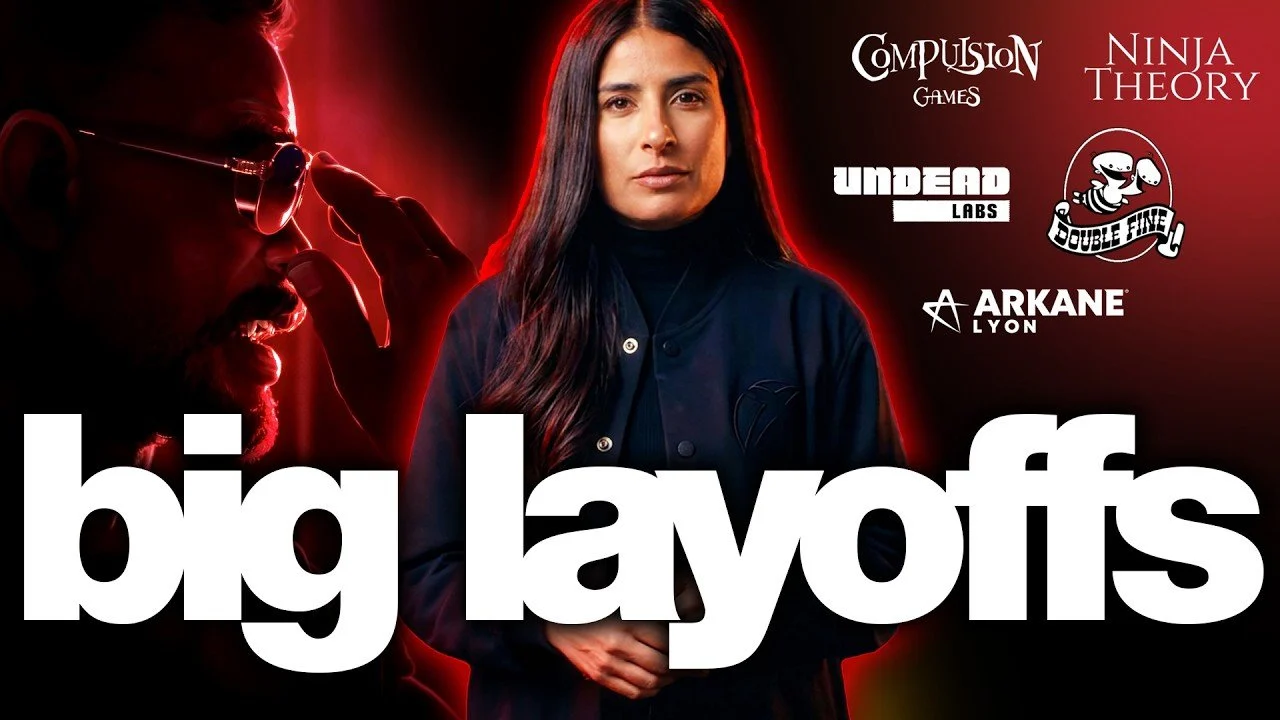
Xbox has restructured its gaming portfolio by selling four of its studios, Double Fine, Compulsion Games, Ninja Theory and Undead Labs, while laying off thousands of employees under CEO Asha Sharma. Notably, Double Fine has regained its independence, allowing the studio to maintain full creative control over its acclaimed Psychonauts series. According to Colt Eastwood, these decisions reflect Xbox’s shift toward focusing on its most profitable franchises and scaling back investments in smaller, riskier projects, signaling broader industry challenges.
Dive into how these changes could affect flagship franchises like Halo and Elder Scrolls, and examine Xbox’s increasing emphasis on AAA titles and multiplatform strategies. Understand the balance between financial priorities and creative risks and explore the implications for studios like Ninja Theory as they navigate this evolving environment. This analysis also places Xbox’s restructuring within the context of wider trends shaping the gaming industry.
Studio Closures and Workforce Reductions
TL;DR Key Takeaways :
- Xbox is undergoing a major restructuring under CEO Asha Sharma, involving the sale of four game studios, layoffs of up to 3,000 employees by 2027 and a focus on its most profitable franchises.
- Studios like Double Fine, Compulsion Games, Ninja Theory and Undead Labs face significant changes, with some regaining independence and others seeking buyers or negotiating ownership agreements.
- The company is prioritizing flagship AAA franchises such as Elder Scrolls, Fallout, Doom, Halo, and Gears of War, while scaling back support for smaller studios and indie games.
- Mojang Studios and the Minecraft franchise are now under direct oversight of the CEO, highlighting their strategic importance in stabilizing Xbox’s financial performance.
- The restructuring has sparked widespread criticism from fans and industry professionals, raising concerns about the loss of creative diversity, reduced indie support and the long-term impact on Xbox’s identity and market position.
As part of its sweeping overhaul, Xbox has decided to sell or close four of its game studios: Double Fine, Compulsion Games, Ninja Theory and Undead Labs. This decision will result in the layoff of 1,600 employees by the end of 2026, with a total of 3,000 layoffs planned by 2027. While some studios have negotiated independence, others face uncertain futures as Xbox seeks potential buyers.
- Double Fine: Known for its critically acclaimed titles like Psychonauts and Brutal Legend, Double Fine has successfully regained its independence, retaining control of its intellectual properties.
- Compulsion Games: The studio behind We Happy Few and the upcoming South of Midnight will retain its IPs, but the likelihood of developing sequels in the near future appears slim.
- Ninja Theory: Renowned for its work on Senua’s Saga: Hellblade II, Ninja Theory is reportedly in discussions with potential buyers as it seeks a new direction.
- Undead Labs: While State of Decay 3 remains in development, the studio’s future hinges on ownership agreements that are still under negotiation.
These decisions reflect Xbox’s intent to streamline its operations and focus on profitability. However, they also highlight the tension between financial goals and the creative ambitions that have historically driven the gaming industry.
Prioritizing AAA Franchises
Xbox’s new strategy places its most successful AAA franchises at the forefront of its operations. Flagship titles such as Elder Scrolls, Fallout, Doom, Halo, and Gears of War are now the primary focus of the company’s resources. By concentrating on these high-performing intellectual properties, Xbox aims to maximize profitability and streamline its development pipeline.
This shift comes at a cost. Smaller studios and indie games, which have historically contributed to the platform’s creative diversity, will see reduced investment and support. Additionally, Xbox is expanding its multiplatform release strategy, allowing its flagship titles to reach audiences beyond the Xbox ecosystem. While this approach could create new revenue streams and address financial losses, it raises questions about the long-term impact on Xbox’s identity as a platform.

Here is a selection of other guides from our extensive library of content you may find of interest on Xbox.
Impact on Bethesda and Zenimax Studios
Even Xbox’s high-profile acquisitions, such as Bethesda and Zenimax Studios, have not been spared from the restructuring. Layoffs have affected teams at Machine Games, ID Software and Zenimax Online, despite their focus on flagship franchises like Wolfenstein, Fallout, and Elder Scrolls.
Delays in major releases and concerns over quality control have further complicated matters. These challenges not only impact Xbox’s reputation but also its ability to compete in an increasingly demanding market. The restructuring is intended to address these issues, but the road ahead remains uncertain as the company works to restore confidence among fans and stakeholders.
Mojang Studios and the Future of Minecraft
Mojang Studios, the developer behind the globally popular Minecraft franchise, has been placed under the direct oversight of CEO Asha Sharma. This move underscores the strategic importance of Minecraft within Xbox’s portfolio. By focusing on expanding the franchise’s potential, Xbox hopes to use its massive audience to stabilize its financial performance and strengthen its market position.
The decision to prioritize Minecraft reflects a broader trend within Xbox: doubling down on proven successes while scaling back on riskier ventures. This approach highlights the company’s intent to focus on stability and profitability, even as it faces criticism for reducing its support for smaller, innovative projects.
Broader Industry Challenges
Xbox’s restructuring mirrors broader challenges faced across the gaming industry. Rising development costs, delayed releases and studio closures have created a volatile environment for publishers and developers alike. For Xbox, these pressures have been compounded by internal mismanagement, inconsistent quality control and the failure to deliver key titles on time.
These issues have strained the company’s finances and eroded trust among fans and industry stakeholders. The restructuring is an attempt to address these problems, but its success will depend on Xbox’s ability to execute its new strategy effectively while maintaining its relevance in a rapidly evolving market.
Reactions from Fans and Industry Professionals
The response to Xbox’s restructuring has been overwhelmingly critical. Fans and industry professionals have expressed concerns about the loss of creative diversity and the reduced support for indie developers. The sale of beloved studios and the layoffs of thousands of employees have further fueled discontent, with many questioning the company’s leadership and long-term vision.
This backlash has sparked broader debates about the balance between financial sustainability and creative freedom in the gaming industry. As Xbox shifts its focus toward profitability, it risks alienating a significant portion of its audience, particularly those who value innovation and diversity in gaming.
A Defining Moment for Xbox
Xbox’s restructuring represents a defining moment in its history. By prioritizing its most successful franchises and cutting costs, the company aims to stabilize its operations and regain its competitive edge. However, the decisions to sell studios, reduce indie game support and lay off thousands of employees have left many questioning the platform’s future direction.
As the gaming industry continues to evolve, Xbox’s ability to navigate these challenges will determine its place in the market for years to come. Whether this strategy will secure long-term success or further alienate its audience remains an open question, but the stakes have never been higher for one of gaming’s most iconic brands.
Media Credit: colteastwood
Disclosure: Some of our articles include affiliate links. If you buy something through one of these links, techschimp Gadgets may earn an affiliate commission. Learn about our Disclosure Policy.