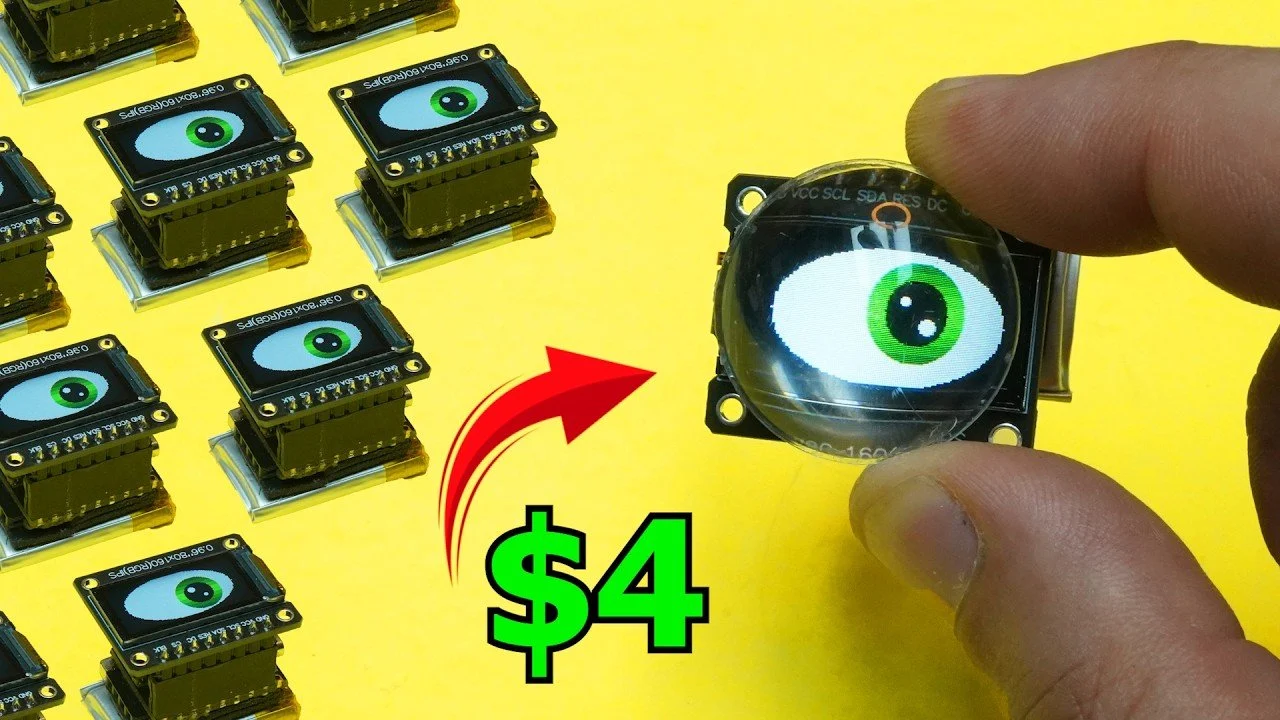
The ESP32-S3 Super Mini is a $4 microcontroller that combines affordability with a range of practical features. It includes built-in battery integration, support for a 0.96-inch RGB IPS TFT screen and compatibility with various custom modules. Hacktuber highlights how this compact board can be used in projects like portable devices and interactive displays, offering a balance between cost and functionality for hobbyists and developers alike.
Explore the ESP32-S3’s hardware customization options, including the use of pin headers, battery configurations and additional modules to tailor it to specific projects. Learn about its applications in creating Wi-Fi analyzers, retro gaming consoles and digital badges. Gain insight into how this microcontroller can support both straightforward and complex DIY electronics projects.
What Sets the ESP32-S3 Apart?
TL;DR Key Takeaways :
- The ESP32-S3 is a cost-effective microcontroller priced at just $4, offering robust performance and compatibility with other ESP32 models.
- It features an integrated 0.96-inch RGB IPS TFT screen with 80×160 resolution, ideal for creating visually engaging projects like digital badges and gaming consoles.
- Battery integration with onboard charging makes it suitable for portable applications, enhancing convenience and mobility.
- The board supports hardware customization, allowing developers to add pin headers, custom modules and sensors for tailored functionality.
- Practical applications include Wi-Fi analysis, retro gaming, digital displays and AI integration, showcasing its versatility for both technical and creative projects.
The ESP32-S3 is a member of the widely acclaimed ESP32 family, celebrated for its balance of performance and cost-effectiveness. Despite its small form factor, this development board delivers substantial processing power and maintains compatibility with other ESP32 models, such as the ESP32-C6 and ESP32-C3. Its standout features include:
- Battery Integration: Equipped with battery connection points and an onboard charger, the ESP32-S3 is ideal for portable projects, offering convenience and mobility.
- Cost-Effective Design: At just $4, it provides an affordable entry point for hobbyists and professionals alike.
- Versatility: Its adaptability makes it suitable for a wide range of applications, from technical tools to creative projects.
These features make the ESP32-S3 a reliable and flexible choice for developers seeking a cost-efficient yet powerful microcontroller.
Integrated TFT Screen: A Compact Visual Interface
One of the most notable features of the ESP32-S3 is its support for a 0.96-inch RGB IPS TFT screen with an 80×160 pixel resolution. This vibrant display offers a compact yet visually appealing interface, making it ideal for projects that require a colorful and dynamic visual element. Key benefits of the integrated screen include:
- Ease of Use: The screen’s integration is straightforward, even for beginners, allowing for quick and efficient setup.
- Versatile Applications: Perfect for creating digital badges, gaming consoles, or animated displays, the screen enhances the board’s functionality.
- High Clarity: The display’s responsiveness and sharp visuals make it a valuable addition to any project requiring a graphical interface.
This feature significantly expands the board’s potential, allowing developers to create visually engaging and interactive projects.
Below are more guides on ESP32 from our extensive range of articles.
Customizing the Hardware for Enhanced Functionality
The ESP32-S3’s hardware can be easily customized to suit specific project requirements. By making a few simple modifications, you can unlock additional functionality and tailor the board to your needs. Here are some practical ways to enhance its capabilities:
- Pin Headers: Adding pin headers allows you to connect the TFT screen or other custom modules, increasing the board’s versatility and allowing more complex setups.
- Battery Integration: Pairing the board with a 150mAh lithium battery and a power switch transforms it into a portable device. The onboard charger simplifies recharging, making sure convenience during use.
- Custom Modules: Incorporate additional components, such as sensors or buttons, to expand the board’s functionality for specific applications.
These modifications make the ESP32-S3 a flexible and adaptable platform, capable of supporting a wide range of innovative projects.
Practical Applications: Unlocking the ESP32-S3’s Potential
The ESP32-S3 excels in a variety of creative and technical applications, making it a versatile tool for developers. Here are some examples of how it can be utilized:
- Wi-Fi Analyzer: Use the board to scan and display Wi-Fi networks in real-time, allowing spectrum analysis for network diagnostics and optimization.
- Retro Gaming Console: Transform the ESP32-S3 into a retro gaming device by connecting buttons and programming classic games like Space Invaders, showcasing its gaming capabilities.
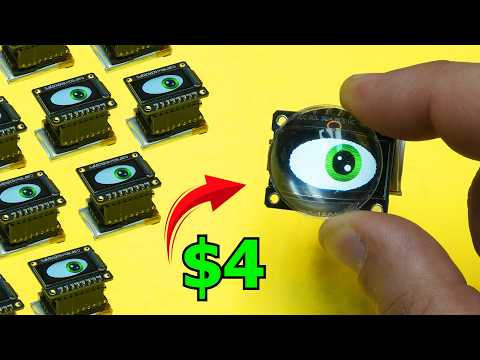
- Digital Eye Display: Create smooth animations, such as a digital eye, which can be enhanced with an optional lens for added visual impact.
- Electronic Badge: Use the TFT screen to display images, animations, or personal branding, making it a standout choice for events or conferences.
These applications highlight the board’s versatility, demonstrating its ability to support both functional and creative projects.
Additional Features and Future Opportunities
The ESP32-S3 offers several additional features that enhance its utility and position it as a forward-looking tool for developers. These include:
- AI Integration: With its processing capabilities, the board holds potential for future AI applications, such as machine learning and intelligent automation, paving the way for advanced projects.
- Event Applications: Its compact size and integrated screen make it an excellent choice for creating interactive badges or displays for events and exhibitions.
- Expandable Ecosystem: The board’s compatibility with other ESP32 models ensures seamless integration into larger systems or projects.
These features make the ESP32-S3 a valuable tool for developers eager to explore emerging technologies and push the boundaries of DIY electronics.
Optimizing Your ESP32-S3 Projects
To ensure the success of your projects, consider the following tips for optimizing the ESP32-S3:
- Component Placement: Arrange components like the TFT screen and buttons thoughtfully to ensure ease of use and avoid obstructions during operation.
- Power Management: Monitor charging and power consumption when using a lithium battery. Proper power management ensures efficient and reliable performance.
- Code Optimization: Write efficient code to maximize the board’s processing capabilities and minimize resource usage.
By following these guidelines, you can create projects that are both functional and user-friendly, making the most of the ESP32-S3’s capabilities.
Media Credit: Hacktuber
Disclosure: Some of our articles include affiliate links. If you buy something through one of these links, techschimp Gadgets may earn an affiliate commission. Learn about our Disclosure Policy.