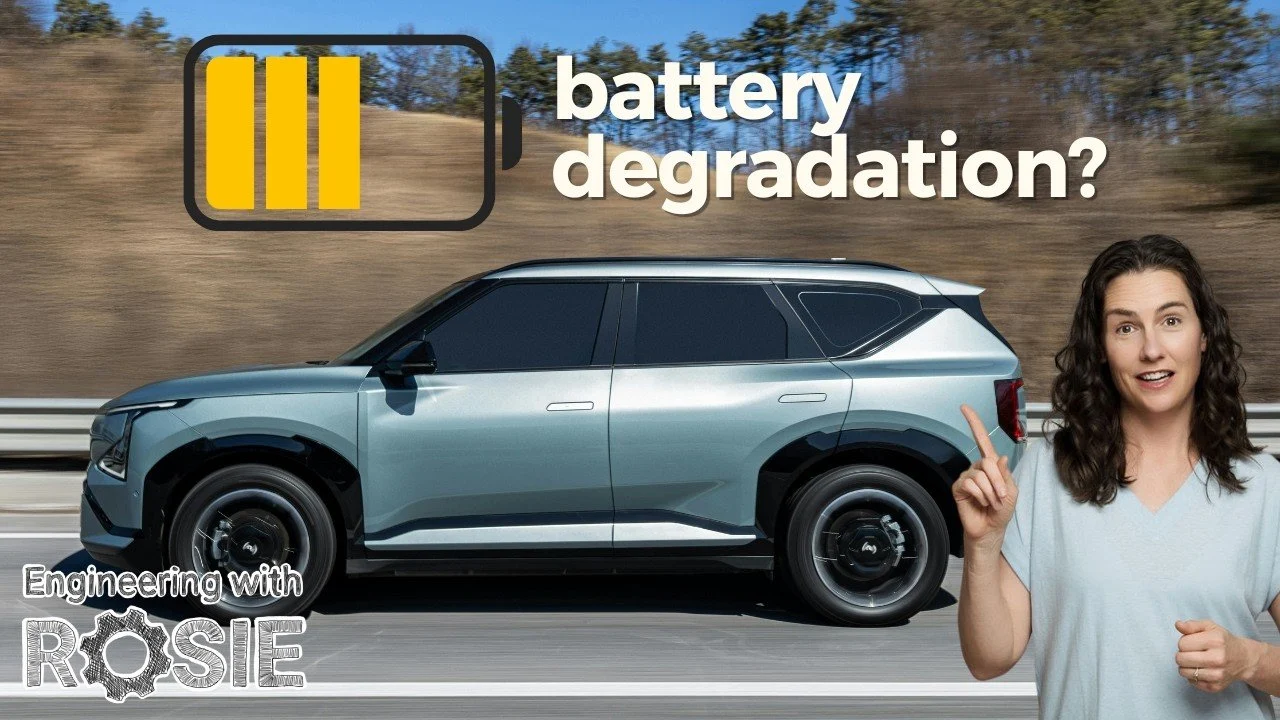
Electric vehicles (EVs) are reshaping the way we think about transportation, but buying one, especially a used model, requires careful consideration. A key factor to evaluate is the health of the EV’s battery, as it directly affects performance, range and long-term costs. In a detailed breakdown by Engineering with Rosie, the overview highlights how factors like frequent fast charging, exposure to extreme temperatures and poor charging habits can accelerate battery degradation. For example, lithium-ion batteries typically lose about 2.3% of their capacity annually, meaning a nine-year-old EV might retain between 85% and 95% of its original capacity depending on usage and care.
Dive into this guide to uncover actionable insights that can help you make an informed decision. Learn how to assess battery health using accessible diagnostic apps like ClearWatt, understand the role of battery management systems (BMS) in maintaining performance and explore practical tips to extend battery longevity, such as maintaining a charge between 20% and 80%. Whether you’re a first-time buyer or upgrading to a newer model, these takeaways will equip you with the knowledge to navigate the EV market confidently.
How Quickly Do EV Batteries Degrade?
TL;DR Key Takeaways :
- EV batteries degrade at an average rate of 2.3% annually, with most retaining 85-95% capacity after 8-9 years, influenced by factors like fast charging, extreme temperatures and poor charging habits.
- Battery Management Systems (BMS) optimize battery performance and lifespan but may obscure actual degradation, highlighting the need for independent testing and diagnostic tools.
- Accessible tools like ClearWatt help assess battery health for secondhand EV buyers, though laboratory methods remain more precise.
- Adopting battery-friendly habits, such as maintaining a 20-80% charge range and avoiding extreme temperatures, can significantly extend battery life and efficiency.
- Regulations like GTR 22 and advancements in diagnostic tools aim to improve transparency in the secondhand EV market, addressing challenges like inconsistent battery health reporting.
EV batteries degrade gradually over time, but the process is often slower than commonly perceived. On average, lithium-ion batteries lose approximately 2.3% of their capacity annually. After 8 to 9 years of use, most EVs retain between 85% and 95% of their original battery capacity, depending on usage patterns and environmental conditions. However, several factors can accelerate this degradation, including:
- Frequent use of fast chargers, which generate heat and place additional stress on the battery.
- Prolonged exposure to extreme temperatures, whether excessively hot or cold.
- Poor charging habits, such as consistently charging to 100% or allowing the battery to fully discharge.
By adopting better charging practices and avoiding extreme environmental conditions, you can significantly extend the lifespan of an EV battery while maintaining its performance.
The Role of Battery Management Systems (BMS)
Modern EVs are equipped with advanced battery management systems (BMS) designed to optimize battery performance and extend its lifespan. These systems regulate charging, monitor temperature and prevent overcharging or deep discharging by maintaining protective buffer zones. However, some manufacturers obscure the true extent of battery degradation by displaying 100% battery health for extended periods, even as the battery’s capacity diminishes. This lack of transparency underscores the importance of independent testing and reliable diagnostic tools to accurately assess battery health.
A well-functioning BMS is essential for making sure the long-term reliability of an EV. It not only safeguards the battery but also enhances the overall driving experience by maintaining consistent performance.

Discover other guides from our vast content that could be of interest on energy.
How to Test EV Battery Health
For those considering the purchase of a secondhand EV, evaluating the battery’s health is a critical step. While laboratory methods such as coulomb counting provide precise measurements, they are impractical for everyday use. Instead, accessible diagnostic tools and apps, such as ClearWatt, offer a convenient alternative. These tools analyze real-world driving and charging data to estimate battery health. Although not as accurate as laboratory tests, they are effective for identifying potential issues and providing a general overview of the battery’s condition.
When testing battery health, it is important to consider factors such as the vehicle’s age, mileage and charging history. A thorough assessment can help you avoid unexpected costs and ensure that the EV meets your performance expectations.
Tips to Maximize Battery Longevity
To maximize the lifespan and efficiency of an EV battery, adopting battery-friendly habits is essential. Here are some practical tips to help you preserve battery health:
- Minimize the use of fast chargers to reduce heat buildup and wear on the battery.
- Maintain the battery’s state of charge between 20% and 80% whenever possible.
- Park and operate the vehicle within optimal temperature ranges, ideally between 15°C and 35°C.
- Adopt dynamic driving patterns, such as stop-and-go traffic, to reduce strain on individual battery cells.
By following these practices, you can not only extend the battery’s lifespan but also improve the overall efficiency and reliability of your EV.
Challenges in the Secondhand EV Market
The secondhand EV market presents unique challenges, particularly due to the lack of standardized reporting on battery health. Without clear and consistent information, buyers may unknowingly purchase vehicles with degraded batteries, leading to unexpected expenses and diminished performance. Independent testing and diagnostic tools can help bridge this gap, providing buyers with the confidence to make informed decisions.
As the secondhand EV market continues to grow, addressing these challenges will be crucial for building trust among consumers. Greater transparency and standardized reporting will play a key role in making sure that buyers and sellers alike can navigate the market with confidence.
What’s Next for EV Battery Transparency?
Regulatory developments are paving the way for improved transparency in the EV market. For instance, Global Technical Regulation 22 (GTR 22), currently being implemented in Europe, aims to establish standardized battery health reporting across manufacturers. This initiative will provide buyers and sellers with consistent, reliable information about battery performance and condition.
In addition to regulatory changes, advancements in diagnostic tools and apps are making it easier for consumers to assess battery health. These tools are becoming more accurate and user-friendly, offering a practical solution for both first-time and experienced EV buyers. Together, these developments promise a future where EV ownership is more transparent, accessible and consumer-friendly.
The Cost of Battery Replacement
Although battery replacements are relatively rare, affecting only about 2.5% of EVs—they can be a significant expense. Depending on the make and model, replacement costs can range from €8,400 to €35,000. This underscores the importance of understanding battery health before purchasing a used EV. Identifying potential issues early can help you avoid costly repairs and ensure a better return on your investment.
For buyers, factoring in the potential cost of battery replacement is an essential part of evaluating the total cost of ownership. By staying informed and conducting thorough assessments, you can make smarter purchasing decisions and enjoy the benefits of electric mobility with greater peace of mind.
Media Credit: Engineering with Rosie
Disclosure: Some of our articles include affiliate links. If you buy something through one of these links, techschimp Gadgets may earn an affiliate commission. Learn about our Disclosure Policy.