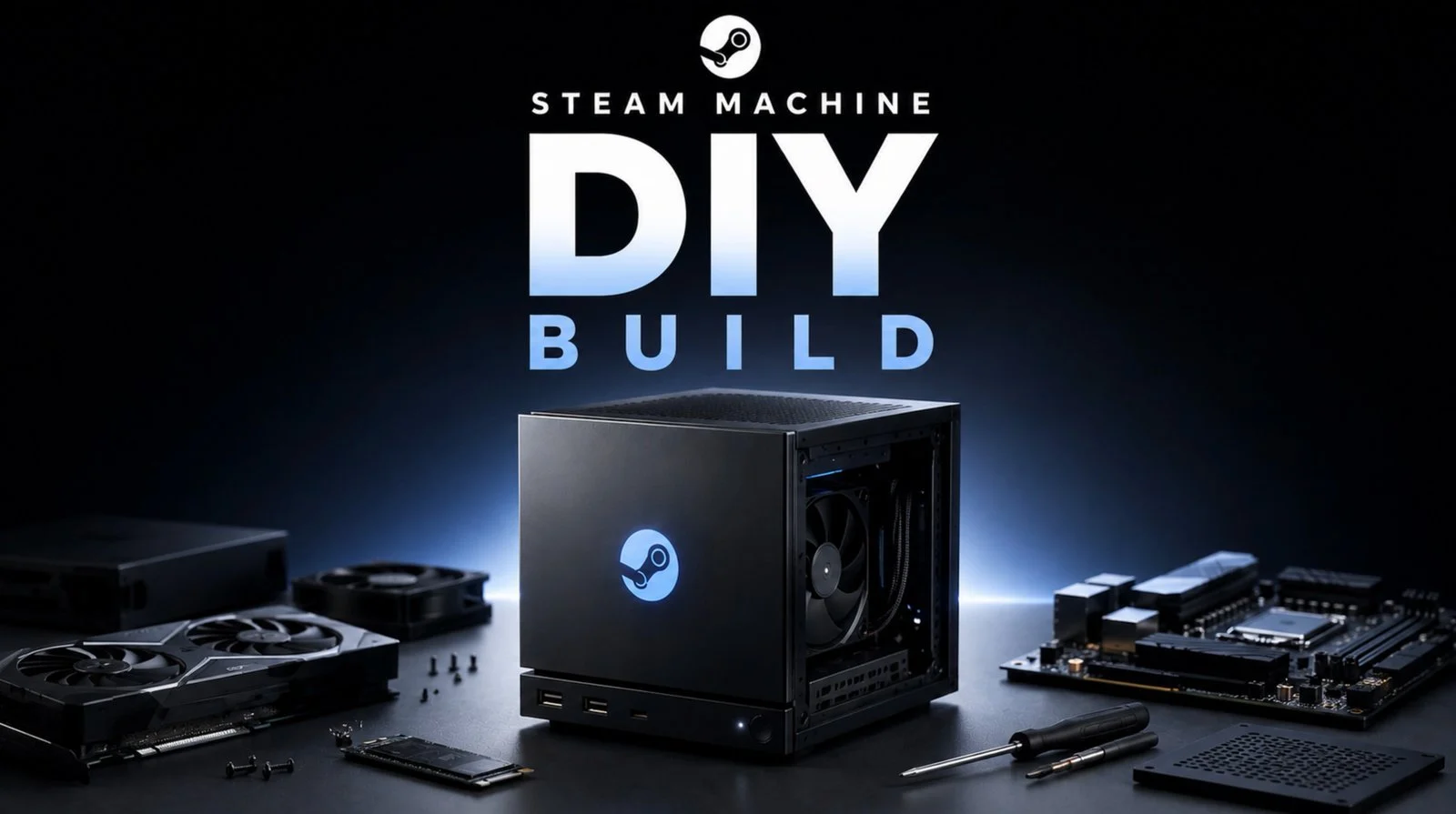
Building your own Steam Machine offers a unique opportunity to create a gaming system that balances performance, cost and personal preferences. In a recent explainer by Level1Techs, the process of designing a custom Steam Machine is broken down into practical steps, including repurposing older hardware and using Linux-based systems like Bedrock or Bazzite. For instance, pairing a mid-range CPU with a used GTX 1660 or RX 580 GPU can deliver smooth 1080p gaming at 60+ frames per second, even in demanding titles like Cyberpunk 2077. This approach not only helps manage costs but also provides flexibility in adapting to hardware availability and performance goals.
Explore how to navigate key decisions, such as selecting compact cases for small form factor builds or optimizing thermal management in tight spaces. You’ll also gain insight into the benefits of Linux gaming, including Proton compatibility for running Windows-based games and the efficiency advantages it offers for older systems. Whether you’re upgrading an existing rig or starting from scratch, this guide equips you with actionable strategies to craft a gaming setup that fits your needs and space.
Why Build a DIY Steam Machine?
TL;DR Key Takeaways :
- Building a custom Steam Machine allows for cost-effective, high-performance gaming by repurposing older hardware, selecting budget-friendly components and customizing the design to fit specific needs.
- Linux-based systems, such as Bedrock and Bazzite, offer a practical alternative for gaming with improved compatibility, performance and resource efficiency, especially for older hardware.
- Small form factor (SFF) builds provide compact and powerful gaming setups, though they require careful planning for component compatibility and thermal management.
- Repurposing older hardware and exploring refurbished or less mainstream components can reduce costs and mitigate the impact of global hardware shortages.
- Engaging with DIY gaming communities offers valuable support, troubleshooting tips and creative solutions to optimize and personalize your gaming setup.
Building a Steam Machine yourself provides unparalleled flexibility, allowing you to customize every aspect of your gaming rig. Whether you’re working with a tight budget or aiming for high performance, a DIY approach lets you make informed choices about hardware and software. For example:
- Using older hardware, such as Intel 8000 series processors or AMD Ryzen systems, can significantly reduce costs while still delivering excellent gaming performance.
- A mid-range CPU combined with a used GTX 1660 or RX 580 GPU can handle modern games like Elden Ring or Cyberpunk 2077 at 1080p resolution with 60+ frames per second on medium settings.
- For gamers seeking higher resolutions like 1440p, GPUs such as the RTX 3060 or RX 6700 XT are viable options, though they may require a larger budget due to ongoing hardware shortages.
By carefully selecting components, you can strike a balance between affordability and performance, making sure your system meets your gaming needs without overspending. This level of customization is one of the most compelling reasons to build your own Steam Machine.
Linux: A Practical Alternative for Gaming
Linux has emerged as a viable and increasingly popular platform for gaming, thanks to advancements in compatibility and performance. Distributions like Bedrock and Bazzite are specifically optimized for gaming, offering several advantages:
- Streamlined installation processes that make it easier for newcomers to get started.
- Support for Steam’s Proton compatibility layer, which enables many Windows-based games to run on Linux with minimal performance loss.
In addition to gaming-specific benefits, Linux provides long-term stability and security, making it an excellent choice for DIY builders. Many users overview that Linux systems are more responsive and use fewer resources compared to Windows, which is particularly beneficial when working with older hardware. If you’re new to Linux, online forums and guides can help you navigate the transition, making sure a smooth setup process.

Expand your understanding of building DIY Steam Machines with additional resources from our extensive library of articles.
Small Form Factor Builds: Compact and Powerful
Small form factor (SFF) PCs are an attractive option for those looking to build a Steam Machine that saves space without sacrificing performance. These compact systems are ideal for living rooms, dorms, or other environments where space is limited. Popular cases like the InWin M1 or Cooler Master NR200P are designed to accommodate powerful GPUs and efficient cooling solutions. However, SFF builds come with unique challenges:
- Limited compatibility with certain components, requiring careful planning during the selection process.
- More demanding thermal management requirements, as smaller cases can restrict airflow.
To overcome these challenges, consider using components specifically designed for compact builds, such as low-profile coolers, modular power supplies and GPUs with shorter form factors. Innovations in case design, including improved airflow and customizable layouts, are making SFF builds more accessible and practical. With proper planning, you can create a compact system that delivers impressive performance while fitting seamlessly into your space.
Repurposing Older Hardware
Repurposing older hardware is a cost-effective and environmentally friendly way to build a Steam Machine. Upgrading an older desktop with a new GPU or additional RAM can breathe new life into the system, allowing it to handle modern games. For instance:
- A second-generation Intel i5 processor paired with a modern entry-level GPU can still deliver a playable experience in many popular titles.
This approach not only reduces electronic waste but also allows you to experiment with different configurations. Online forums and communities are invaluable resources for finding compatibility tips, performance tweaks and success stories from other gamers who have transformed outdated PCs into capable gaming rigs. By using these resources, you can maximize the potential of older hardware while minimizing costs.
Overcoming Hardware Shortages
Global hardware shortages have made it increasingly difficult to find affordable components, but there are strategies to navigate these challenges. Consider the following alternatives:
- Refurbished hardware, which often provides excellent value for money while maintaining reliable performance.
- Less mainstream brands that offer competitive performance at lower prices.
- AMD APUs, which combine a CPU and GPU in a single chip, providing a cost-effective solution for casual gaming and older titles.
Planning your build around availability and cost can help you avoid overspending while still achieving a functional gaming setup. Staying flexible and exploring unconventional options can make a significant difference in overcoming the challenges posed by hardware shortages.
Use Community Support
The DIY gaming community is a treasure trove of knowledge and support for builders of all experience levels. Platforms like Reddit’s r/buildapc and specialized Linux gaming forums are filled with experienced users who can:
- Answer questions and provide personalized recommendations based on your needs and budget.
- Share creative solutions, such as using open source software to optimize performance or repurposing unconventional hardware.
- Offer guidance on troubleshooting and fine-tuning your system for optimal performance.
Engaging with these communities not only helps you stay informed about the latest developments in DIY gaming but also allows you to learn from the experiences of others. Sharing your own build process can inspire and assist fellow enthusiasts, fostering a collaborative environment that benefits everyone involved.
Crafting Your Ideal Gaming Experience
Building your own Steam Machine is a rewarding endeavor that enables you to create a gaming system tailored to your preferences and budget. Whether you’re repurposing older hardware, exploring the possibilities of Linux gaming, or experimenting with small form factor designs, the DIY approach offers unparalleled flexibility and customization. Despite challenges like global hardware shortages, the wealth of resources and support available to DIY builders ensures that you can overcome obstacles and achieve a personalized gaming experience. By taking advantage of community knowledge and staying informed about the latest trends, you can craft a Steam Machine that meets your unique needs and enhances your gaming journey.
Media Credit: Level1Techs
Disclosure: Some of our articles include affiliate links. If you buy something through one of these links, techschimp Gadgets may earn an affiliate commission. Learn about our Disclosure Policy.