

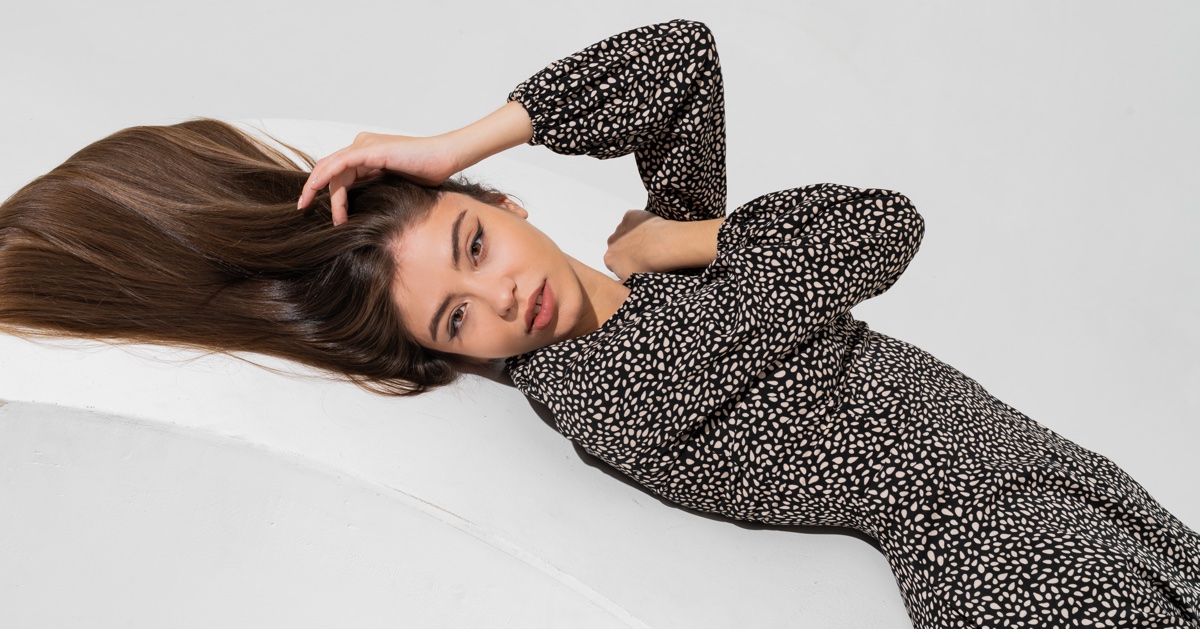
A model release agreement protects photographers from liability and licensing claims that can surface well after a photoshoot ends. Opportunities present themselves months or years later, even when you have no immediate plan to license the photos.
Commercial use of a recognizable person’s likeness generally requires permission, but state publicity-rights law varies, and the United States has no single nationwide model-release rule. A signed release is what documents that permission and protects you from the privacy and publicity claims that follow.
This guide covers what a model release form is, why it matters for building a professional photography business, and when you need one. It walks through everything from simple release examples to the core components you need to protect yourself and your work.
What Is a Model Release Form

Definition and Simple Purpose
A model release form is a binding legal agreement between a photographer and any recognizable person appearing in their photographs. Think of it as a contract that outlines the terms under which you can use images of another person.
The document grants you permission to publish and use photos commercially and establishes clear boundaries for both parties.
The main goal centers on commercial usage. You need this signed document when you plan to use photos to advertise, create marketing materials, newsletters, brochures, greeting cards, or catalogs.
A release can reduce privacy and publicity risk for authorized uses, but it does not eliminate defamation or false-light claims arising from a misleading or unauthorized portrayal.
This agreement serves a dual protection function. It shields you as the photographer from liability if your subject later objects to how their image appears publicly. The model gets written proof that images will only be used for specified legal purposes and receives agreed-upon compensation.
Model Release vs Photo Release
The terms ‘photo release,’ ‘photo consent form’ and ‘model release’ are often used interchangeably when describing a subject’s permission to use their likeness, as reflected in university photo consent terminology. A separate copyright license or image-use agreement concerns permission from the photograph’s copyright owner.
A model release addresses permission to use the subject’s likeness, separate from copyright ownership of the image itself. Under copyright law, photographers ordinarily own the copyright in their original photographs, subject to exceptions such as work made for hire or a written transfer. The release grants permission for image usage under defined terms.
Key Components of the Agreement
Enforceability depends on applicable state law and basic contract elements, including mutual assent, consideration, capacity, and lawful purpose.
Full names and contact details are useful for identifying the parties, but complete mailing addresses are not universal requirements for validity. Minors under 18 require parental consent, and at least one parent must sign on the minor’s behalf.
The release needs to authorize commercial use and advertising purposes while stating the model will not receive further compensation beyond what’s agreed upon at the start. Usage rights should specify how, where, and for how long images can be used.
The necessary signatures depend on applicable state law and how the release is structured; signatures from both the photographer and model are not universally required. The agreement should also mention “assigns” or similar language so you can license content through agencies or distributors.
Why Photographers Need a Model Release

Legal Protection for Commercial Use
People may have claims against unauthorized commercial use of their identities, but the source and scope of those rights vary by state. This right applies to everyone, not just celebrities or public figures. You violate someone’s publicity rights the moment you use their image to promote a product, service, or idea they haven’t approved.
Copyright ownership of your photographs covers the image itself, not how a person’s likeness gets used for commerce. You own the copyright to images you create, but the people in those photos retain control over how their likeness gets used commercially.
A signed model release supplies that missing permission, covering advertising, stock photography, or any situation where the photo promotes a business interest.
Privacy and Publicity Rights Considerations
Privacy and publicity rights operate under state law, and no federal statute standardizes them. What’s permitted in one state may violate the laws of another. New York, for example, requires consent before anyone uses a person’s likeness for commercial purposes, regardless of that person’s independent commercial value.
Fair use is a defense against copyright infringement claims. It offers no defense against privacy or publicity violations, which fall under a separate body of law. Photographs taken in public spaces still need the subject’s consent before commercial use, or they can trigger liability.
Preventing Future Liability Claims
A model release functions as risk management. Photographers who need a consistent way to document permission can use ConsumerShield legal products, including professionally drafted forms and guides covering different states and legal situations.
Intellectual property attorney Sekou Campbell notes that being right under the law doesn’t prevent lawsuits. Operating with no signed releases still invites a lawsuit, even when you’ve followed the law. The cost of defending yourself in court far exceeds the effort of getting a signed release upfront.
Clients sometimes change their minds months or years after a shoot. A signed model release protects you from claims that you never had permission when that happens. The agreement creates documented proof of consent that holds up in legal proceedings.
Building a Professional Photography Business

Model releases add commercial value to your photographs. Stock agencies and commercial clients require them before accepting images for licensing. Some of your best photos need a release before you can use them to promote your business.
That gap limits your portfolio building and your capacity to attract new clients and build income streams through stock photography.
Understanding industry standards and legal requirements boosts your professional reputation. Clients value photographers who operate with clear processes and understand the legal framework surrounding commercial image use.
Releases are just one part of running a photography business. For photographers still working out the rest, from gear to client relationships, our guide on how to become a fashion photographer covers the remaining groundwork.
When to Use a Model Release Form

The need for a model release depends on how you’ll use the image, not what the image contains. The content alone can’t tell you whether a release is necessary. Ask instead whether the photo will be used commercially.
Paid and Unpaid Modeling Shoots
Whether you need a release depends primarily on the intended use of the image, not simply on whether the session includes a recognizable model. This applies whether you’re paying the model or working under a trade arrangement.
TFP (time for portfolio) shoots where both parties exchange time for images require a release that protects both sides and will give the images actual usability for portfolio building.
Payment status doesn’t change the requirement. Family photo sessions where you’re being paid still need releases if you plan to use those images to advertise your services.
Street Photography and Public Spaces
Photos taken in public generally do not require releases merely for personal or legitimate editorial use, but portfolio and business-website use can be promotional and should not be treated categorically as release-free.
The moment you want to use that street photo for commercial purposes, you need a signed release. Public space doesn’t equal public use rights when commercial licensing enters the picture.
Private establishments, such as stores and restaurants, may require permission even if they’re open to the public. Nightclubs occupy a unique position in which they can post blanket release notices at entry points and inform patrons that entry means consent to photography.
Private Events in Public View
Wedding and event photography is not automatically editorial; the classification depends on how the images are subsequently published or used.
You need releases from recognizable individuals if those images will appear in your portfolio, website, or styled shoot submissions. The couple’s contract doesn’t cover guests, vendors, or the bridal party.
Working with Minors
A parent or legal guardian must sign a minor’s commercial model release when photographing children under 18 for commercial purposes. A minor’s own signature may be voidable or otherwise limited under state law, so photographers should not rely on it alone.
What to Include in Your Model Release Agreement

Every legally binding model release agreement requires specific information to protect both parties and hold up in court.
Photographer and Model Information
Start with full legal names, complete mailing addresses, phone numbers, and email addresses for both photographer and model.
Email is the preferred communication method because it creates a legal record. Include the model’s complete birth date. Minors require the parent’s or legal guardian’s full name and contact details.
Usage Rights and Permissions
Specify how and where images can be used. A blanket release permits unlimited use throughout the world in perpetuity. Limited releases restrict usage to particular purposes, territories or time periods.
The agreement must authorize your assigns, licensees and successors so you can license through stock agencies.
Digital Manipulation Clause
This clause covers consent for AI-based post-processing, retouching, background extensions, or generative modifications of the model’s likeness. Skipping it leaves your editing process exposed to legal issues.
Compensation Terms

State the payment amount or specify if no compensation will be provided. Include language that the model waives rights to future compensation beyond what’s outlined.
Sensitive Use Considerations
General release language may not protect against a misleading or stigmatizing portrayal. Obtain explicit, informed permission for sensitive uses, since image-related risks can persist even when a general model release exists.
The American Society of Media Photographers, for example, suggests wording such as, “I understand that the pictures of me will be used in public-service advertisements to promote AIDS awareness.”
Signature and Date Requirements
Both parties must sign and date the document. A witness is not universally required for a model release, and there is no general nationwide rule requiring the model and witness to sign on the same date. Keep signed releases indefinitely.
Get the Signature Before You Need It

Model releases protect you from costly legal battles and open commercial opportunities for your photography business. The few minutes spent getting a signature outweigh the cost of defending yourself in court years later.
Build a release template now and attach it to every commercial shoot, then keep the signed copies indefinitely. When a stock agency or ad client comes calling for a photo you shot years ago, that signature is the only thing standing between a licensing check and a legal notice.


