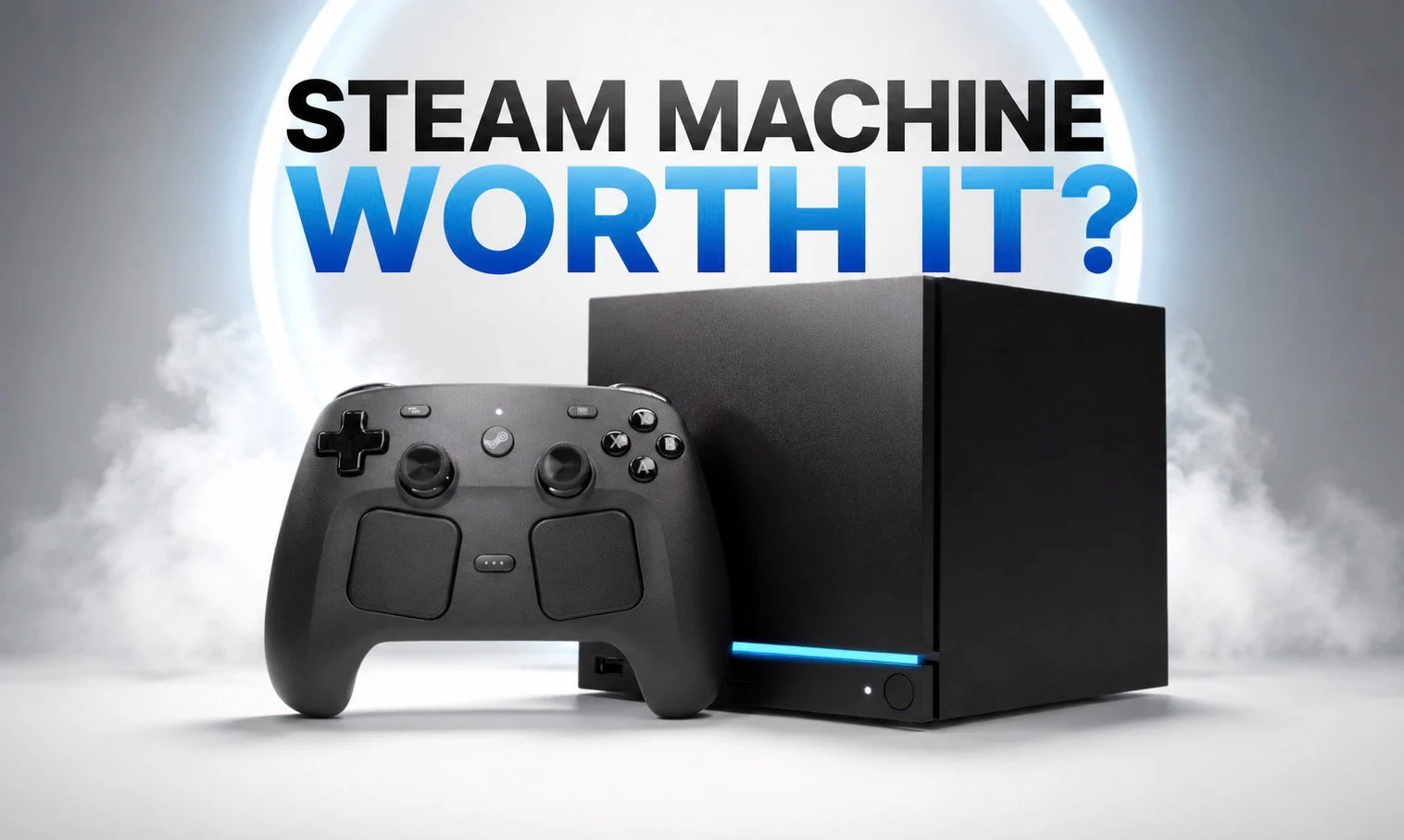
The Steam Machine aims to combine the convenience of a console with the flexibility of PC gaming, offering a compact, Linux-based system tailored for living room setups. As Tech Fowler explores, its sleek design includes features like magnetic removable faceplates and an LED bar for personalization, along with quiet operation thanks to an efficient cooling system. However, its performance, anchored by an AMD Zen 2 CPU and RDNA2 GPU, positions it as a device best suited for 1080p gaming, with limitations when it comes to 4K resolution and graphically demanding titles. These constraints, coupled with a starting price of $1,049, raise important questions about its overall value.
In this breakdown, you’ll gain insight into how the Steam Machine handles game compatibility, including its reliance on Steam OS and the challenges posed by anti-cheat software for certain popular titles. Explore the practical implications of its pricing and availability, as well as its connectivity options, which balance versatility with a few notable omissions. Whether you’re considering it for casual gaming or as a living room centerpiece, this analysis will help you weigh its strengths and limitations to determine if it aligns with your gaming needs.
Design and Build
TL;DR Key Takeaways :
- The Steam Machine is a compact, Linux-based gaming PC designed for living room setups, offering a console-like experience for Steam games but with performance limitations for demanding titles and 4K gaming.
- Its sleek design, quiet operation and customizable features make it ideal for casual gamers, but the lack of mounting options and limited adaptability may restrict placement flexibility.
- Game compatibility is strong for many Steam titles, but anti-cheat software issues prevent access to popular games like Fortnite and Call of Duty, limiting its appeal to a broader audience.
- With a starting price of $1,049 and a lottery-based pre-order system, the Steam Machine is expensive and less accessible compared to traditional consoles or custom-built PCs with better performance.
- Additional features like quick resume, HDMI CEC support and a Linux desktop mode enhance usability, but the high cost and limited functionality make it a niche product for specific use cases rather than a mainstream gaming solution.
The Steam Machine features a sleek, console-like design that integrates seamlessly into most entertainment centers. Its premium construction combines durable metal and plastic, making sure longevity while maintaining a modern aesthetic. Magnetic removable faceplates and an LED bar provide a degree of personalization, allowing users to adapt the device to their style. Additionally, its efficient cooling system ensures quiet operation, even during extended gaming sessions, making it a practical choice for living room environments.
Despite its thoughtful design, there are some limitations. The absence of mounting options for wall-mounted TVs may restrict placement flexibility, which could be a concern for users with specific setup requirements. While the compact form factor is a strength, the lack of adaptability in certain scenarios might detract from its overall appeal.
Performance
Equipped with an AMD Zen 2 CPU and RDNA2 GPU, the Steam Machine delivers dependable performance for 1080p gaming. Most titles run smoothly at this resolution, offering a satisfying experience for casual gamers. For users aiming to play at 4K, the device struggles without the assistance of FidelityFX Super Resolution (FSR), which helps upscale performance but doesn’t fully close the gap for demanding games.
In terms of raw power, the Steam Machine is comparable to an entry-level or lower mid-tier gaming PC. This makes it suitable for users with modest expectations, such as those who prioritize ease of use over innovative performance. However, for hardcore gamers or individuals seeking to play graphically intensive titles at higher resolutions, the device may fall short of expectations.

Unlock more potential in Steam Machine by reading previous articles we have written.
Game Compatibility
The Steam Machine’s Linux-based Steam OS ensures compatibility with a substantial portion of the Steam library. For supported games, the experience is optimized and smooth, providing a console-like feel. However, the device faces notable limitations with certain popular titles, such as Fortnite, Madden, and Call of Duty, due to anti-cheat software incompatibilities. This restricts access to some mainstream games, which could be a significant drawback for users who prioritize a broader gaming library.
Steam’s labeling system for game compatibility is a helpful feature, allowing users to identify supported titles before making a purchase. While this transparency is valuable, the absence of certain high-profile games may deter potential buyers who seek a more comprehensive gaming experience.
Pricing and Availability
Starting at $1,049 without a controller, the Steam Machine is priced significantly higher than traditional gaming consoles and entry-level PCs. High-end configurations can exceed $1,500, further narrowing its appeal to a niche audience. For the same price, or less, it is possible to build a custom PC with superior performance and greater flexibility, making the Steam Machine a less competitive option in terms of value.
Availability is another challenge. The device is sold through a lottery-based pre-order system, which complicates the purchasing process and limits accessibility. These factors position the Steam Machine as a specialized product rather than a mainstream gaming solution, appealing primarily to users who value its unique design and specific use case.
Connectivity and I/O
The Steam Machine offers a range of connectivity options, making sure compatibility with various peripherals and displays. Key features include:
- USB Type-A and Type-C ports for connecting accessories
- HDMI and DisplayPort for video output
- Ethernet for stable internet connectivity
- A microSD slot for expandable storage
While these options provide versatility, the limited number of USB Type-C ports may not meet the needs of users with modern devices, potentially requiring adapters for newer accessories. HDMI and DisplayPort ensure compatibility with most TVs and monitors, but the absence of more advanced connectivity features, such as Thunderbolt, could be a drawback for users seeking innovative functionality.
Use Case
The Steam Machine is best suited for users seeking a plug-and-play gaming experience in a living room setting. Its compact design and quiet operation make it an excellent choice for casual gaming on a TV. For those who prioritize ease of use and minimal setup over raw performance, the device offers a streamlined solution that blends seamlessly into an entertainment center.
Additionally, the inclusion of a Linux desktop mode adds versatility, allowing basic productivity tasks such as web browsing and document editing. However, for users who require high-end performance, access to a broader range of games, or the ability to customize their hardware extensively, the Steam Machine may not be the ideal choice.
Additional Features
The Steam Machine includes several features that enhance its usability and appeal:
- Quick resume functionality for seamless switching between games
- HDMI CEC support, allowing integration with your TV’s remote control
- A Linux desktop mode for basic productivity tasks
These features contribute to its console-like experience and add some versatility beyond gaming. However, for users who prioritize performance, game compatibility, or cost-effectiveness, these extras may not justify the device’s high price.
Final Thoughts
The Steam Machine is a well-crafted device that excels in delivering a console-like gaming experience for Steam games in a living room environment. Its compact form factor, quiet operation and additional features make it an attractive option for casual gamers or those seeking a streamlined entertainment solution.
However, its high cost, limited availability and performance constraints make it less practical for broader audiences or power users. For individuals who value its unique design and specific use case, the Steam Machine could be a worthwhile investment. For others, more powerful and flexible alternatives may better suit their needs, offering greater value and broader functionality.
Media Credit: Tech Fowler
Disclosure: Some of our articles include affiliate links. If you buy something through one of these links, techschimp Gadgets may earn an affiliate commission. Learn about our Disclosure Policy.