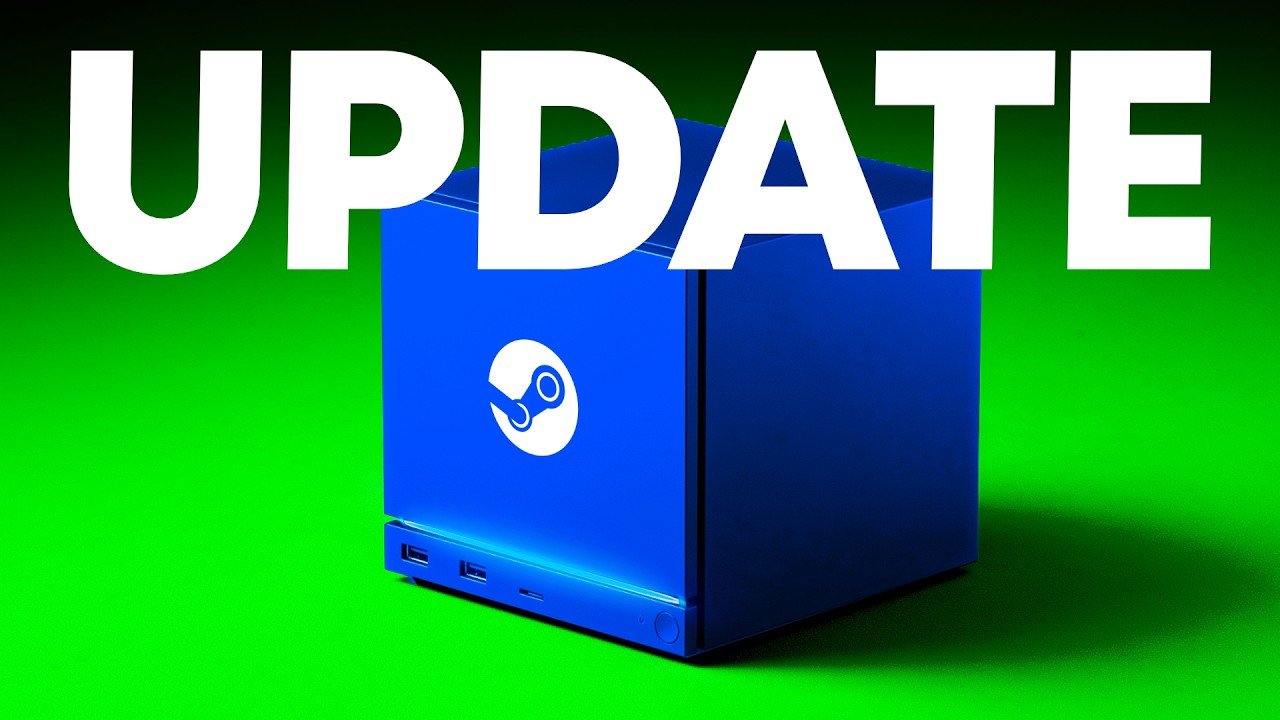
The Steam Deck and Steam Machine have introduced new ways to approach gaming by bridging hardware capabilities with software flexibility. In a recent breakdown by Deck Ready, attention is given to how applications like the Heroic Game Launcher and Proton enable users to play Windows-based games on Linux systems such as Steam OS. For instance, the Heroic Game Launcher supports the integration of Xbox Game Pass titles into Steam setups, allowing players to expand their libraries. This process, however, often involves navigating technical configurations and relying on community-driven solutions.
Discover the steps required to configure the Heroic Game Launcher and integrate Game Pass titles into your Steam hardware. Gain insight into the constraints of running Windows games on Linux, including compatibility issues and performance trade-offs. Learn how cross-platform challenges affect optimization and what this means for gaming on devices like the Steam Deck.
Heroic Game Launcher: Expanding Your Gaming Library
TL;DR Key Takeaways :
- The Steam Deck and Steam Machine are transforming gaming by enhancing accessibility and versatility, supported by tools like the Heroic Game Launcher and Proton for broader compatibility.
- The Heroic Game Launcher enables access to Xbox Game Pass titles on Linux and Steam OS, but its setup requires technical expertise, highlighting the need for more user-friendly solutions.
- Lack of official Game Pass integration on Steam hardware limits seamless access to Microsoft’s subscription service, reflecting missed opportunities for a unified gaming ecosystem.
- Challenges like inconsistent cross-platform compatibility, poor game optimization and platform exclusivity hinder the promise of a seamless gaming experience across devices.
- Consumer demand for higher standards is pressuring developers to prioritize quality, long-term support and innovation, shaping the future of gaming toward more player-focused practices.
The Heroic Game Launcher is a pivotal tool for Steam hardware users, offering the ability to access Xbox app and Game Pass titles on Linux and Steam OS. By using Proton, a compatibility layer that enables Windows games to run on Linux, this tool significantly expands the range of games available on devices like the Steam Deck and Steam Machine. This means you can enjoy a broader library of titles without being confined to a single ecosystem.
However, the process of setting up the Heroic Game Launcher is not without its challenges. It often requires a level of technical expertise and reliance on community-driven solutions to address compatibility issues. While this innovation opens up exciting possibilities, it also underscores the need for more intuitive and user-friendly solutions to make these features accessible to a wider audience. For you, this means that while the potential is vast, the path to unlocking it may require patience and technical effort.
Game Pass Integration: A Missing Piece in the Puzzle
Microsoft’s Game Pass has become one of the most popular subscription services in gaming, granting access to a vast library of high-quality titles. Yet, for Steam hardware users, fully integrating Game Pass remains a significant challenge. While unofficial methods exist to enable Game Pass on Linux, the absence of an official Xbox app for the platform creates unnecessary complications.
This gap highlights Microsoft’s reluctance to fully embrace Steam’s ecosystem, despite the growing demand from gamers like you. The lack of seamless integration limits your ability to enjoy the full potential of Game Pass on Steam devices, leaving a major opportunity untapped. For players, this represents a frustrating barrier to accessing a unified gaming experience, especially as subscription services continue to grow in popularity.

Here are more detailed guides and articles that you may find helpful on SteamOS.
Cross-Platform Compatibility: Progress with Caveats
Cross-platform gaming holds the promise of a seamless experience across devices, but the reality often falls short of expectations. Features like Xbox’s Play Anywhere, which allows save transfers between Xbox and Steam, offer glimpses of progress but remain inconsistent in execution. These disruptions can be particularly frustrating when you’re trying to continue a game on a different device without losing progress.
Adding to the complexity, platform exclusivity continues to fragment the gaming ecosystem. For example, Sony’s rumored decision to make Spider-Man 3 exclusive to PlayStation, excluding PC, demonstrates how industry practices can limit your options as a gamer. These challenges highlight the ongoing struggle to create a truly unified gaming experience, where your games and progress are accessible regardless of the platform you choose.
Game Optimization: A Persistent Challenge
Game optimization remains a recurring issue, affecting both newly released titles and older games. High-profile releases like Oblivion Remastered and Fallout 4 have faced criticism for poor performance, often attributed to rushed development cycles or reliance on outdated technology. For Steam Deck users, these issues can be particularly noticeable, as games designed for next-gen consoles like the Switch 2 may not perform optimally on Steam hardware.
These shortcomings emphasize the importance of developers adopting more inclusive practices to ensure their games run smoothly across a variety of platforms. For you, this means that while the Steam Deck and Steam Machine offer impressive versatility, the quality of your gaming experience often depends on how well developers prioritize optimization during the development process.
Industry Trends: Balancing Innovation with Tradition
The gaming industry is at a crossroads, where innovation and traditional practices coexist uneasily. Developers like Bethesda Game Studios have faced criticism for relying on legacy engines, which can limit the potential of their games and hinder progress. At the same time, community-driven efforts such as emulation and modding are stepping in to address gaps left by developers, offering tools that enhance older games or bring unsupported titles to new platforms.
For you, these trends mean greater access to creative solutions that can improve your gaming experience. However, they also highlight the industry’s ongoing struggle to modernize its practices while meeting the demands of a rapidly evolving market. As a gamer, your engagement with these tools and your feedback to developers play a crucial role in shaping the future of the industry.
Consumer Expectations: Driving Higher Standards
As a gamer, you may find yourself increasingly frustrated by incomplete games, inconsistent cross-platform experiences and a lack of post-launch support. These issues reflect broader industry trends, where rushed releases and short-term profits often take precedence over delivering polished, high-quality experiences. This has led to a growing demand for higher standards across the gaming community.
Your dissatisfaction is not going unnoticed. Developers are beginning to feel the pressure to prioritize quality and long-term support, recognizing that meeting consumer expectations is essential for success. Your voice, along with the collective feedback of the gaming community, is a powerful force driving the industry toward more player-focused practices. By demanding better, you are helping to shape a future where gaming experiences are more consistent, accessible and enjoyable for everyone.
Media Credit: Deck Ready
Disclosure: Some of our articles include affiliate links. If you buy something through one of these links, techschimp Gadgets may earn an affiliate commission. Learn about our Disclosure Policy.