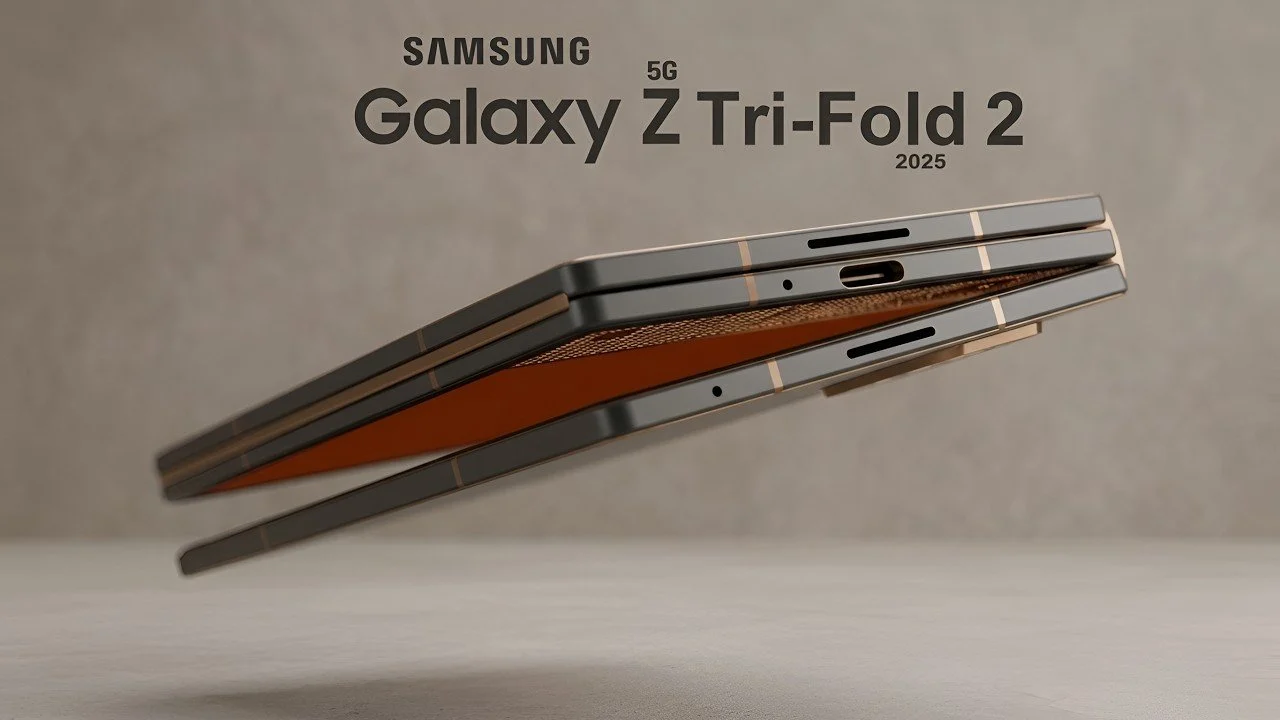
Samsung’s highly anticipated Galaxy Z TriFold 2 is facing delays as the company redirects its focus toward an innovative slidable phone featuring a rollable OLED display. This strategic shift underscores Samsung’s ambition to redefine the foldable and flexible device market. The slidable phone, which could debut as early as 2027, represents a bold step forward in mobile technology. Meanwhile, the TriFold 2 remains in development, but challenges related to production costs, hardware upgrades, and design complexities are slowing its progress. These delays raise questions about the device’s future in an increasingly competitive market.

Slidable Phones: Redefining Mobile Technology
Samsung’s slidable phone introduces a fantastic approach to display technology. Featuring a rollable OLED screen, this device is designed to expand seamlessly, much like a scroll, offering a compact form factor that can transform into a larger display when needed. This innovation combines portability with versatility, potentially reshaping how you interact with mobile devices. Reports indicate that development is advancing rapidly, with a launch anticipated as early as 2027. If successful, this device could set a new standard for flexible display technology, offering a glimpse into the future of mobile innovation.
The slidable phone’s rollable OLED technology is expected to deliver several key benefits:
- Enhanced Portability: A compact design that expands only when necessary.
- Improved Durability: Rollable screens may address some of the wear-and-tear issues associated with folding mechanisms.
- Versatile Functionality: A seamless transition between compact and expanded modes for multitasking and media consumption.
If Samsung successfully brings this device to market, it could redefine consumer expectations and establish a new benchmark for innovation in the mobile industry.
Galaxy Z TriFold 2: Navigating Development Hurdles
The Galaxy Z TriFold 2, envisioned as an innovative foldable device, is encountering significant development challenges. Among the most pressing issues are high production costs and the complexity of its upgraded hinge design. The new hinge is intended to make the device lighter and thinner, addressing consumer demand for more portable and user-friendly foldable phones. Additionally, Samsung is working to standardize internal components to streamline production and improve efficiency. However, these efforts have not been sufficient to prevent delays.
The TriFold 2’s development hurdles highlight the broader challenges of innovating in the foldable device market:
- Cost Management: Advanced technologies often come with high production costs, which can impact pricing and accessibility.
- Design Complexity: Creating a durable, lightweight, and functional foldable device requires overcoming significant engineering challenges.
- Market Relevance: Prolonged delays risk diminishing consumer interest, especially as competitors continue to refine their offerings.
These challenges raise concerns about whether the TriFold 2 can maintain its relevance in a rapidly evolving market, particularly as Samsung shifts its focus to other innovations.
Market Dynamics: Shifting Priorities and Competitive Pressures
Samsung’s decision to prioritize the slidable phone over the Galaxy Z TriFold 2 reflects a strategic response to evolving market dynamics. By focusing on rollable OLED technology, Samsung aims to stay ahead in the innovation race and capture consumer attention with a new product. However, this shift also introduces uncertainty regarding the TriFold 2’s future. Prolonged delays or potential cancellations could impact consumer trust and Samsung’s competitive edge, especially as rivals continue to advance their own foldable and flexible display technologies.
The competitive landscape for foldable and flexible devices is intensifying, with several key trends shaping the market:
- Rising Competition: Other manufacturers are rapidly developing their own foldable and rollable devices, increasing pressure on Samsung to deliver innovative solutions.
- Consumer Expectations: As flexible display technology becomes more mainstream, consumers are demanding devices that combine functionality, durability, and affordability.
- Technological Advancements: Innovations in materials and engineering are allowing new possibilities, raising the bar for what flexible devices can achieve.
Samsung’s ability to navigate these dynamics will be critical in determining its long-term success in the foldable and flexible device market.
Rollable OLED Technology: A New Standard for Flexibility
At the core of Samsung’s slidable phone initiative is its investment in rollable OLED technology, which represents a significant advancement over traditional foldable displays. Rollable screens offer enhanced flexibility and durability, addressing some of the limitations associated with folding mechanisms. For you, this could mean devices that are not only more functional but also more reliable over time.
Key advantages of rollable OLED technology include:
- Improved Durability: Rollable screens are less prone to creasing and mechanical wear compared to folding displays.
- Seamless Design: The ability to expand and retract smoothly enhances the user experience.
- Versatile Applications: Rollable displays can be adapted for various use cases, from smartphones to tablets and beyond.
The introduction of slidable and rollable devices could reshape consumer expectations, influencing purchasing decisions and setting new standards for the mobile device market.
The Road Ahead for Samsung
Samsung’s focus on a slidable phone with a rollable OLED display marks a potential turning point in its foldable phone strategy. While the Galaxy Z TriFold 2 remains a highly anticipated product, delays and development challenges could limit its impact. As the slidable phone moves closer to becoming a reality, it has the potential to redefine consumer expectations and establish a new benchmark for flexible display devices.
For now, the future of Samsung’s foldable lineup remains uncertain. The company’s ability to balance innovation with practicality will be critical in determining which device ultimately takes center stage. Whether the TriFold 2 can overcome its challenges or the slidable phone emerges as the next big thing, Samsung’s commitment to pushing the boundaries of mobile technology ensures that the coming years will be pivotal for the industry.
Here are additional guides from our expansive article library that you may find useful on Galaxy Z TriFold.
Source & Image Credit: Demon’s Tech
Disclosure: Some of our articles include affiliate links. If you buy something through one of these links, techschimp Gadgets may earn an affiliate commission. Learn about our Disclosure Policy.


![Hands-on with the foldable iPhone Duo [Gallery]](https://shopvante.com/wp-content/uploads/2026/09/iphone-dup-11-336x220.jpeg)