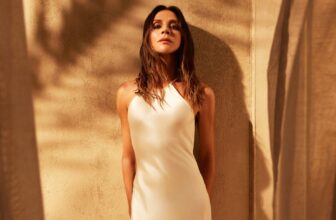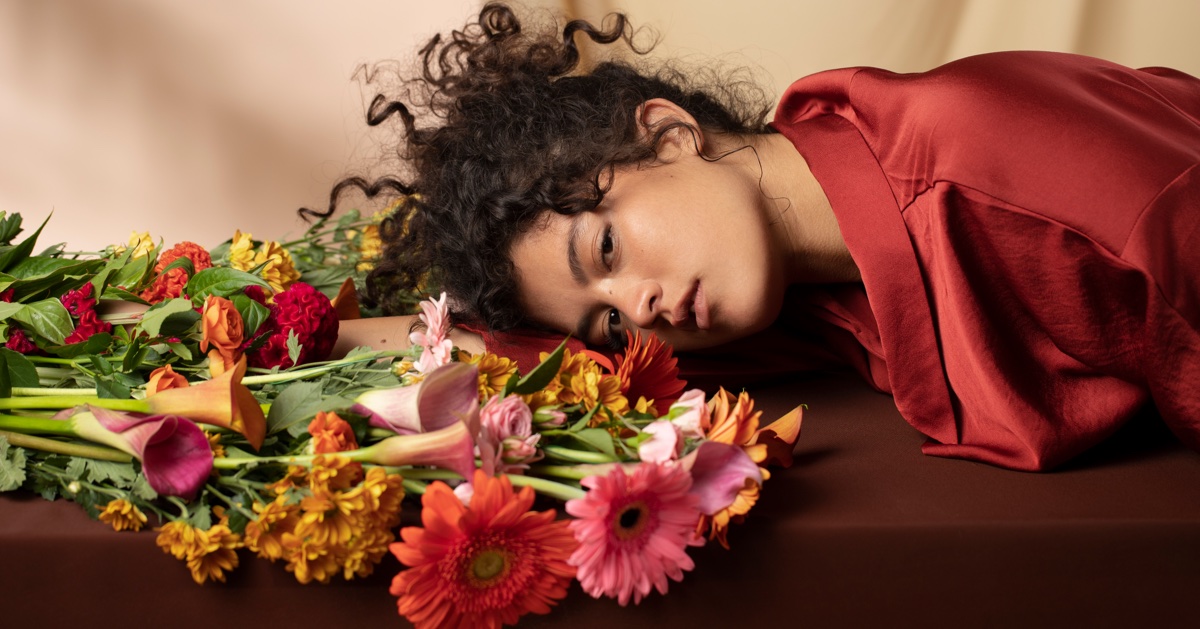
A great fashion photograph creates desire. It captures the mood of a moment and turns a garment into part of a larger story. A flowing dress can suggest freedom, and a sharply tailored jacket can signal confidence before a reader ever notices the designer’s name.
Across all the types of fashion photography, from glossy editorials to e-commerce shots, that storytelling instinct is the common thread.
The digital age has changed how those stories get made and seen. Images now travel from studio monitors to shopping pages, social feeds, and online editorials, and the cameras, editing tools, and publishing habits behind them have shifted along the way.
Even the handoff has its own tools: Convertio can convert reference images into JPG files through its browser-based image converter, so format compatibility never slows the team down.
Yet the central challenge hasn’t moved. A photograph still has to make someone pause, look closer, and feel something.
From Film to Immediate Feedback

Before digital capture took over, photographers worked within the limits of film. Each roll held a fixed number of exposures, and no one saw the results until the film was processed. Lighting, timing, and technical skill carried enormous weight, since a mistake could stay hidden until long after the shoot wrapped.
Digital cameras brought instant review. Photographers could check exposure, study a pose, and adjust the composition while the model was still on set. That feedback loop made experimentation easier, whether the goal was dramatic movement or a crisp product detail.
It also reshaped collaboration. With images landing on a connected monitor, stylists and art directors could spot a slipping sleeve, a distracting accessory, or an awkward silhouette together. The photograph became something the whole team could refine in real time.
Retouching Becomes Part of the Visual Language

Digital editing stretched the possibilities well past the moment of capture. Color grading can give an editorial a cool, cinematic mood or the honeyed warmth of late afternoon. Background adjustments and blended exposures offer more control over the final composition.
In fashion imagery, those choices shape how viewers read fabric, skin, and atmosphere. A subtle tonal shift can bring out the sheen of satin, while heavy smoothing can erase the texture that makes a photograph believable.
So the real question is intention. Retouching works best when it serves the image’s story and keeps meaningful details intact. A compelling portrait can still show freckles, flyaway hair, and the natural folds of a garment. Polish and personality can share the same frame.
Social Media Changes the Frame

Print editorials invited readers to move through a planned sequence of photographs. Digital platforms brought new viewing habits: fast scrolling, small screens, and single images seen without the story around them.
That gives photographers more contexts to plan for. A wide composition that looks striking across a magazine spread may lose its punch in a vertical crop. A close portrait or a distinctive styling detail, on the other hand, can land especially well on a phone.
Social platforms also open the door to discovery. An emerging photographer can share a recognizable visual identity directly with an audience, while a model or stylist can pull back the curtain on the collaboration behind a finished image.
The path to visibility has widened, and consistent creative direction still counts. Planning a set of connected frames helps an editorial narrative hold together across separate posts. A full look establishes the silhouette, a close-up reveals the craftsmanship, and a portrait brings personality into the sequence.
The Invisible Work Behind Digital Publishing

Once the shoot wraps, another stage begins: preparing photographs for where they’ll live. An editorial site, an ecommerce page, and a social post may each call for different dimensions, crops, or file formats. Those practical decisions affect how the work reaches its audience.
A team might, for example, receive styling reference images in HEIC format but need JPG copies for a shared review workflow. That conversion is one step in a larger publishing process. Before delivery, teams still need to check image dimensions, color appearance, and export quality.
Keeping original files separate from distribution copies also protects material for future edits. The visual story depends partly on this quieter work. It makes sure the intended photograph arrives intact and displays the way it should.
Smartphones Expand Creative Access

Dedicated cameras still hold their value, yet smartphones have opened another route into fashion image-making. A creator can plan an outfit, find good light, photograph the look, and share it, all with a device already in their pocket.
That accessibility encourages practice and play. Someone developing a personal style can test framing, movement, and location without organizing a full studio production. Everyday settings become backdrops, from apartment windows to neighborhood streets.
Equipment still shapes what’s possible, especially in difficult light or when files need extensive editing. An expensive camera, though, won’t hand anyone a clear idea. Styling, observation, timing, and the ability to direct a subject remain essential, and digital access makes those skills easier to explore long before a photographer invests in specialist gear.
For beginners, one simple exercise is photographing the same outfit in different light. Comparing the results shows how shadows change proportions, how backgrounds shift color, and how a small change in position can strengthen the final photograph. The lesson carries into personal and professional projects alike.
Authenticity and the Appeal of Imperfection

As digital tools make polished imagery easier to produce, perfection can start to feel predictable. Fashion photographs gain character through choices that leave room for spontaneity: an unexpected gesture, visible grain, direct flash, or a slightly off-kilter crop.
Those details create intimacy. An image can suggest how a piece of clothing feels to move in, laugh in, or wear through a long afternoon. That emotional pull can persuade as powerfully as elaborate styling.
Authenticity also depends on who appears in the frame and how they’re represented. Thoughtful casting and respectful direction give a story real substance, and a casual aesthetic alone can only carry it so far. A photograph rings true when its visual choices, subject, and message belong together.
AI Introduces New Creative Questions

Artificial intelligence adds another layer to digital production. Depending on the tool, it can help with selections, cleanup, or early visual concepts. Generative systems can also build imagined settings and imagery that reach past a conventional photographed scene.
Those possibilities make editorial judgment matter more. A generated garment detail may misrepresent the actual product, and an artificial setting can change what an image means. Teams should weigh what viewers are being asked to believe.
Clear communication about significant alterations protects the trust between image and audience. Technology can support experimentation, yet the photographer remains responsible for deliberate choices about representation, accuracy, and the story being told.
The Picture Ahead

Faster cameras and easier editing are only part of fashion photography’s evolution. Digital tools have reshaped collaboration, widened creative access, and given photographs more places to live.
What makes an image memorable is still human: a thoughtful concept, expressive styling, sensitive direction, and a strong sense of atmosphere. As production methods keep developing, the strongest fashion photographs will use those tools with purpose. They’ll show the clothes clearly and leave viewers with a story worth remembering.