Xbox’s recent price hikes for its Series X and Series S consoles have sparked widespread discussion about affordability in gaming. Bellular News highlights how these increases, combined with the discontinuation of the 2TB Series S model, reflect broader industry challenges like rising production costs and reliance on digital revenue streams. To address these financial pressures, Xbox has introduced flexible payment plans, allowing consumers to spread out the cost of purchasing a console. This shift underscores the growing tension between maintaining accessibility for gamers and navigating the economic realities of hardware manufacturing.
In this overview, you’ll gain insight into how these pricing changes tie into larger trends, such as the rising dominance of subscription services like Xbox Game Pass and the increasing appeal of cloud gaming as an alternative to traditional consoles. Explore the implications of monopolistic practices in component manufacturing and how they contribute to escalating costs for both companies and consumers. Additionally, discover how the secondhand market and financing options are reshaping the way players approach console ownership in an era of financial strain.
Why Xbox Prices Are Rising
TL;DR Key Takeaways :
- Xbox has increased console prices due to rising production costs, introducing flexible payment options to maintain accessibility while relying on subscriptions and digital sales for revenue.
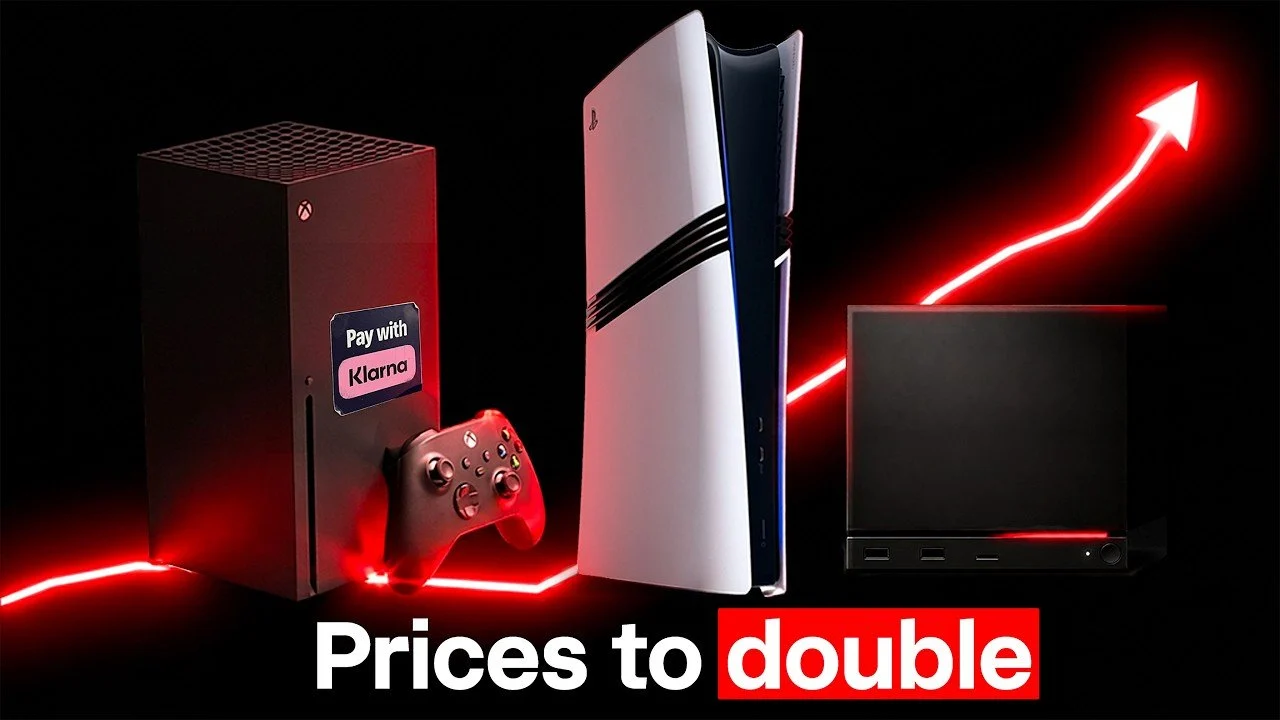
- Hardware production challenges, including rising component costs and supplier monopolies, are driving up prices across the gaming industry, with costs expected to double by 2028.
- Consumer behavior is shifting toward subscriptions, accessories and digital content, with services like Xbox Game Pass becoming central to the gaming experience.
- Cloud gaming is gaining traction as a cost-effective alternative to traditional consoles, offering convenience and affordability but raising concerns about internet infrastructure and data usage.
- Monopolistic practices in component manufacturing are limiting competition and innovation, contributing to higher hardware costs and fewer options for gamers.
Xbox has implemented notable price increases for its Series X and Series S consoles, with the Series S now priced similarly to the Series X at its launch. The discontinuation of the 2TB Series S model further underscores the financial pressures caused by escalating production costs. Despite these price hikes, Xbox continues to sell its consoles at a loss, relying heavily on subscriptions and digital store sales to drive revenue. This strategy reflects a broader industry trend, where companies focus on maximizing revenue from their existing user base rather than aggressively pursuing new customers.
The price adjustments also reflect the growing complexity of hardware production, where the cost of materials and manufacturing continues to rise. For gamers, this means higher upfront costs, but it also signals a shift in how companies are prioritizing long-term profitability over short-term sales growth.
Challenges in Hardware Production
The rising cost of critical components, such as memory and storage, is a major factor contributing to the increased prices of gaming consoles. Industry analysts predict that these costs could double by 2028, creating additional financial strain on manufacturers. Component shortages, coupled with restrictive contracts with suppliers, further exacerbate the issue. This leaves companies like Xbox with limited options to manage expenses while maintaining competitive pricing.
This challenge is not unique to Xbox. Competitors like PlayStation and Nintendo are also grappling with similar issues, as the global supply chain struggles to meet the growing demand for advanced hardware. The reliance on a small number of suppliers for key components has made it difficult for gaming companies to negotiate better terms, further driving up costs for both manufacturers and consumers.

Browse through more resources below from our in-depth content covering more areas on Xbox.
How Consumer Behavior is Shifting
Consumer behavior in the gaming industry is evolving rapidly. While fewer people are purchasing gaming consoles, those who do are spending more on subscriptions, accessories and digital content. This shift has allowed companies to generate increased revenue despite declining unit sales. For instance, Xbox Game Pass and similar subscription services have become central to the gaming experience, offering players access to a vast library of games for a monthly fee.
Nintendo has adapted particularly well to this changing landscape, outperforming competitors like Xbox and PlayStation, which have experienced some of their worst sales months in recent history. This divergence underscores the importance of flexibility and innovation in a market that is increasingly driven by digital solutions and value-added services. For gamers, this means more options for how they engage with their favorite titles, but it also raises questions about the long-term viability of traditional console ownership.
The Growing Appeal of Cloud Gaming
Cloud gaming is emerging as a compelling alternative to traditional console ownership. By streaming games directly to devices, it eliminates the need for expensive hardware and frequent upgrades. Companies are investing heavily in cloud infrastructure, which offers higher profitability and efficiency compared to physical consoles. For gamers, this shift provides access to popular titles without the upfront cost of purchasing a console, making gaming more accessible to a broader audience.
This trend is reshaping the gaming landscape, as players increasingly prioritize convenience and affordability. However, it also raises concerns about internet connectivity and data usage, which could limit the accessibility of cloud gaming in regions with less reliable infrastructure. As the technology continues to evolve, it is likely to become a cornerstone of the gaming industry, offering new opportunities for both players and developers.
Flexible Payment Plans and the Rise of Secondhand Markets
To address affordability concerns, Xbox has introduced financing options such as “buy now, pay later” plans. These options aim to make gaming more accessible to budget-conscious consumers, allowing them to spread the cost of a console over time. This approach has been well-received, particularly among younger gamers who may not have the financial resources to purchase a console outright.
At the same time, the secondhand console market is gaining traction. Refurbished and pre-owned devices are becoming popular alternatives for gamers looking to save money. This trend not only helps consumers manage costs but also promotes sustainability by extending the lifecycle of gaming hardware. For the industry, the rise of secondhand markets presents both opportunities and challenges, as companies must balance the demand for new products with the growing interest in more affordable, pre-owned options.
Monopolistic Practices in Component Manufacturing
The gaming industry’s reliance on a small number of component manufacturers has raised concerns about monopolistic practices. Companies like Samsung, SK Hynix and Micron collectively control 90% of the RAM market and are currently facing a class-action lawsuit for allegedly creating an anti-consumer monopoly. These manufacturers are accused of prioritizing contracts with AI and data center clients over consumer electronics, further driving up costs for gaming hardware.
This concentration of power among a few suppliers has significant implications for the gaming industry. It limits competition, reduces innovation and makes it more difficult for companies like Xbox to manage production costs. For gamers, this translates to higher prices and fewer options, as manufacturers struggle to navigate a market dominated by a handful of powerful players.
What the Future Holds for Gaming
The rising costs of hardware and the shift toward digital solutions are likely to have lasting effects on the gaming industry. As consoles become more expensive, companies are expected to double down on subscriptions, digital content and in-game purchases to maximize revenue from existing users. Physical game discs may become obsolete as digital distribution and cloud gaming gain prominence, offering greater convenience but also raising concerns about ownership and resale rights.
For gamers, these changes represent both opportunities and challenges. While digital solutions offer greater accessibility and flexibility, they also signal a move away from traditional ownership models. As the industry continues to evolve, players will need to adapt to a landscape that prioritizes digital ecosystems and subscription-based services over physical products and one-time purchases.
Media Credit: Bellular News
Disclosure: Some of our articles include affiliate links. If you buy something through one of these links, techschimp Gadgets may earn an affiliate commission. Learn about our Disclosure Policy.