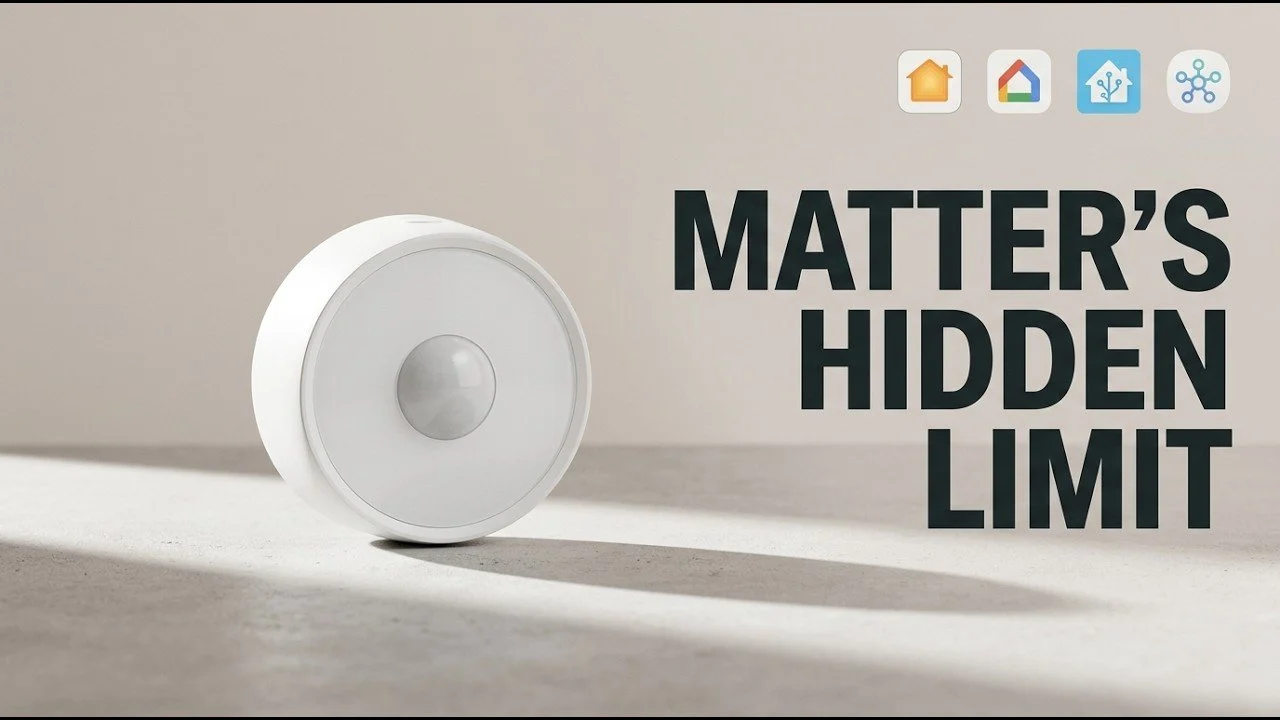
The landscape of smart sensors in 2026 presents a complex but rewarding challenge for those looking to enhance their home automation setups. With options ranging from PIR motion sensors to mmWave presence sensors, the choice often comes down to understanding the nuances of each type and their compatibility with leading ecosystems like Home Assistant, Google Home and Apple Home. A Smarter House highlights key distinctions, such as how PIR sensors excel in detecting motion in high-traffic areas, while mmWave sensors are better suited for spaces requiring precise presence detection, like living rooms or offices. These insights help clarify which sensor type aligns with specific use cases, making sure functionality and efficiency.
Dive into this analysis to explore how protocols like Zigbee, Thread and Matter influence sensor performance and ecosystem integration. You’ll gain insight into the trade-offs between advanced features and cross-platform compatibility, learn about standout products like the Aqara FP2 and IKEA MYGGSPRAY and discover which sensors work best for outdoor environments or specialized needs. This breakdown equips you with actionable knowledge to navigate the evolving smart home market with confidence.
Understanding Sensor Types and Their Applications
TL;DR Key Takeaways :
- Smart sensors are categorized into motion detection (PIR) and presence detection (mmWave), each suited for specific environments and needs.
- Communication protocols like Zigbee, Thread/Matter, Z-Wave and Wi-Fi determine compatibility and functionality within smart home ecosystems.
- Top-performing sensors include options like IKEA MYGGSPRAY (PIR), Aqara FP2 (mmWave), and Meross MS605, tailored for various use cases and budgets.
- Matter enhances cross-platform compatibility but often lacks advanced features like light-level data and zone-specific detection, limiting its utility in some scenarios.
- Choosing the right sensor involves matching sensor type to room purpose, making sure protocol compatibility and considering ecosystem-specific recommendations.
Smart sensors are broadly categorized into two main types: motion detection and presence detection. Each serves a distinct purpose and selecting the right type depends on your specific requirements.
- PIR (Passive Infrared) Sensors: These sensors are highly effective for detecting motion in high-traffic areas such as hallways, staircases and entryways. They are cost-efficient and reliable but have limitations in detecting stationary occupants, making them less suitable for spaces like living rooms or offices where subtle movements are common.
- mmWave Presence Sensors: Designed to detect static occupancy and even the slightest movements, these sensors are ideal for bedrooms, living rooms, or workspaces. Many models offer advanced features like zone mapping and fall detection, though their performance is influenced by the operating frequency, such as 24 GHz or 60 GHz.
Protocols and Ecosystem Integration
The communication protocol used by a smart sensor plays a critical role in determining its compatibility with your smart home ecosystem. Here’s an overview of the most common protocols:
- Zigbee: A widely adopted protocol known for its low power consumption and reliability. Zigbee sensors integrate seamlessly with platforms like Home Assistant, SmartThings and Homey, making them a popular choice for many users.
- Thread and Matter: Thread enables fast and secure communication, while Matter focuses on cross-platform compatibility. However, Matter often sacrifices advanced features like light-level data and zone-specific detection, which may limit its utility in certain scenarios.
- Z-Wave: Renowned for its robust multi-sensor capabilities, Z-Wave is an excellent option for users seeking detailed environmental data. However, it currently lacks strong options for mmWave presence detection.
- Wi-Fi: Wi-Fi sensors eliminate the need for a hub, simplifying installation. However, they tend to consume more power and may have limited compatibility with some ecosystems.

Find more information on smart home by browsing our extensive range of articles, guides and tutorials.
Top Smart Sensors of 2026
The market in 2026 offers a variety of high-performing smart sensors tailored to different needs. Below are some of the best options categorized by type and protocol:
- PIR Sensors:
- IKEA MYGGSPRAY (Matter-over-Thread): A budget-friendly, weatherproof option suitable for outdoor use.
- Sonoff SNZB-03P (Zigbee): Affordable and equipped with a built-in light sensor for added functionality.
- Aqara Motion Sensor P1 (Zigbee): Offers a wide detection range and long battery life, making it a reliable choice for indoor use.
- mmWave Presence Sensors:
- Aqara FP2 (Wi-Fi, 60 GHz): Features advanced zone mapping, fall detection and precise micro-motion detection, making it a top-tier option.
- Meross MS605 (Matter-over-Thread, 24 GHz): A cost-effective choice with multi-zone detection capabilities.
- Linptech ES1 (Zigbee, 24 GHz): Offers reliable micro-motion detection at an affordable price point.
Limitations of the Matter Standard
While Matter has transformed cross-platform compatibility, it comes with certain trade-offs. Sensors using Matter often lack advanced features such as light-level data, zone-specific presence detection and sensitivity adjustments. These limitations can reduce the effectiveness of high-performance sensors, particularly in ecosystems that rely on such features for optimal functionality.
Best Sensors for Outdoor Use
Outdoor environments demand sensors that are durable and weather-resistant. Here are some of the top-performing options for outdoor use:
- IKEA MYGGSPRAY: A cost-effective, weatherproof PIR sensor suitable for covered outdoor areas.
- Philips Hue Outdoor Motion Sensor: A reliable and high-performing option, though it comes at a higher price point.
- Zooz ZSE70 (Z-Wave): Durable and equipped with additional features like temperature and lux sensing, making it a versatile choice for outdoor applications.
Recommendations by Ecosystem
The compatibility of a smart sensor with your chosen ecosystem is a key factor in making sure seamless integration. Below are recommendations tailored to popular smart home platforms:
- Home Assistant: Sonoff SNZB-03P (PIR), Aqara FP2 or Linptech ES1 (Presence).
- Apple Home: Eve Motion (PIR), Aqara FP2 (Presence via HomeKit Controller).
- Google Home/Amazon Alexa: Aqara P2 (PIR), Meross MS605 (Presence).
- SmartThings: ThirdReality Zigbee (PIR), Aqara FP300 (Presence).
- Homey: Fibaro Motion Sensor (PIR), Meross MS605 or Aqara FP2 (Presence).
Tips for Choosing the Right Sensor
To ensure you select the most suitable smart sensor for your needs, consider the following tips:
- Match the sensor type to the room’s purpose. Use PIR sensors for motion detection in high-traffic areas and mmWave sensors for spaces requiring static presence detection.
- Verify that the sensor’s protocol is compatible with your existing smart home ecosystem to avoid integration issues.
- Be aware of the limitations of Matter if advanced features like zone-specific detection or light-level data are critical to your setup.
Making an Informed Choice
Choosing the right smart sensor involves balancing functionality, compatibility and your specific use case. By understanding the strengths and limitations of various sensor types, protocols and ecosystems, you can make well-informed decisions that enhance your smart home experience. Whether your priority is affordability, advanced features, or seamless integration, this guide equips you with the knowledge needed to select the perfect sensor for your needs.
Media Credit: A Smarter House
Disclosure: Some of our articles include affiliate links. If you buy something through one of these links, techschimp Gadgets may earn an affiliate commission. Learn about our Disclosure Policy.