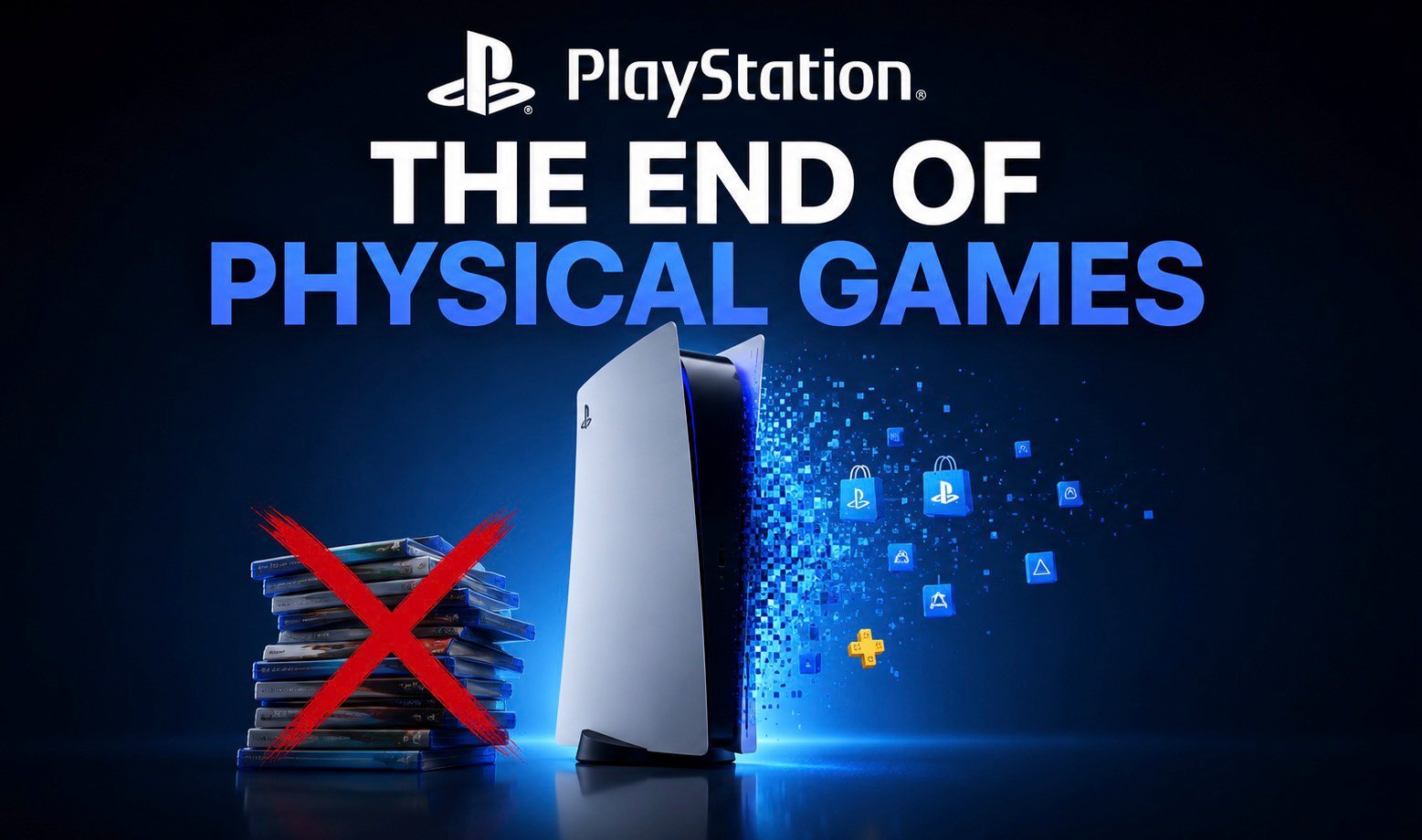
Sony’s announcement to discontinue physical game discs for PlayStation consoles by January 2028 marks a major shift in the gaming industry. As discussed by RGT 85, this decision reflects the growing dominance of digital distribution, with internal data showing most PlayStation users now opting for downloads over physical purchases. While this move aligns with broader consumer trends, it also raises concerns about accessibility for players in regions with unreliable internet and the loss of tangible ownership that physical games provide. For example, nearly 30% of console game sales in 2025 were still physical, highlighting the ongoing demand for traditional formats despite the rise of digital platforms.
Explore how this transition could reshape the gaming landscape, from the financial benefits Sony aims to achieve by bypassing retailers to the potential challenges for game preservation in a fully digital ecosystem. You’ll gain insight into the implications for players who value reselling or trading games, as well as how competitors like Microsoft and Nintendo might respond to capitalize on this shift. Understanding these dynamics will provide a clearer picture of what the future holds for gaming culture and consumer choice in an increasingly digital world.
Why Sony is Phasing Out Physical Media
TL;DR Key Takeaways :
- Sony will discontinue the production of physical game discs for PlayStation consoles starting January 2028, becoming the first major console manufacturer to fully transition to digital distribution.
- The decision is driven by the growing dominance of digital game purchases, offering advantages like instant access and eliminating physical storage needs, but raises concerns about accessibility for players with limited internet connectivity.
- Financially, the move allows Sony to maximize revenue by cutting out costs associated with manufacturing, packaging and retailer margins, though it may lead to higher digital game prices and the loss of a secondary market for reselling games.
- Critics highlight issues such as the loss of ownership, game preservation and reduced consumer choice, as physical media provides benefits like collectibility, resale options and offline accessibility.
- This decision reflects broader industry trends toward digital-first strategies, but competitors like Microsoft and Nintendo may capitalize on offering physical options, potentially impacting Sony’s brand loyalty and market position.
Sony’s decision to phase out physical game discs is largely driven by the growing dominance of digital game purchases. Internal data reveals that a majority of PlayStation users now prefer downloading games directly from the PlayStation Store, reflecting a broader trend in consumer behavior. Digital distribution offers undeniable advantages, such as instant access, convenience and the elimination of the need for physical storage.
However, this shift is not without its critics. While digital sales have surged, physical media still holds a notable share of the market. For instance, retail data from 2025 indicated that nearly 30% of console game purchases were still physical copies. Many gamers value physical media for its tangible benefits, including ownership, collectibility and the ability to resell or trade games. These aspects of physical games provide a sense of permanence and flexibility that digital formats cannot fully replicate.
Moreover, physical games offer practical advantages, particularly for players in regions with limited or unreliable internet connectivity. In such areas, downloading large game files can be a significant challenge, making physical copies a more accessible option. By eliminating physical media, Sony risks alienating a segment of its player base that relies on these benefits.
The Profitability Factor: Cutting Out the Middleman
Sony’s decision is also heavily influenced by financial considerations. Digital distribution allows the company to retain 100% of the revenue from game sales, bypassing the need to share profits with retailers. In contrast, physical games involve a range of additional costs, including manufacturing, packaging, shipping and retailer margins, all of which reduce profitability.
By adopting a digital-only model, Sony aims to streamline its operations and maximize revenue. This strategy aligns with broader industry trends, as publishers increasingly prioritize digital-first approaches to cut costs and enhance profit margins. Additionally, a digital-only model eliminates the risk of unsold inventory, a common issue with physical game production that can lead to financial losses.
While this shift offers clear financial benefits for Sony, it also raises questions about how these savings will impact players. Critics argue that the absence of physical media could lead to higher prices for digital games, as competition from physical retailers diminishes. Furthermore, the lack of a secondary market for digital games means players lose the ability to resell or trade titles, potentially increasing the overall cost of gaming.

Here are more guides from our previous articles and guides related to PlayStation that you may find helpful.
Player Concerns: Loss of Choice and Game Preservation
The decision to end physical games has raised significant concerns among players, particularly regarding the loss of choice. Physical games provide unique advantages that digital formats cannot replicate. For example, they can be shared, traded, or resold, offering players greater flexibility and value. Additionally, physical copies do not require internet connectivity, making them a more reliable option for players in areas with limited access to high-speed internet.
Another critical issue is game preservation. Physical copies serve as a form of archival storage, making sure that games remain accessible even if digital storefronts are discontinued or licensing agreements expire. Without physical media, the long-term availability of certain titles could be jeopardized, particularly for niche or older games that may not be prioritized for digital re-releases. This raises broader concerns about the preservation of gaming history and culture in an increasingly digital landscape.
Brand Loyalty vs Player Dissatisfaction
Sony is relying on its strong brand loyalty to navigate the huge backlash from this decision. The PlayStation brand is widely recognized for delivering high-quality gaming experiences and Sony believes this reputation will help retain its player base despite the shift away from physical media. The company is betting that the convenience and accessibility of digital gaming will outweigh the concerns of players who prefer physical options.
However, this confidence may be tested as competitors like Microsoft and Nintendo continue to offer both physical and digital games. By maintaining this dual approach, these companies could attract players who feel alienated by Sony’s decision. The availability of physical games from competitors may serve as a key differentiator, particularly for players who value the flexibility and ownership that physical media provides.
Sony’s decision also risks creating a perception of reduced consumer choice, which could impact its brand image. Players dissatisfied with the lack of physical options may reconsider their loyalty, especially if competitors position themselves as more player-centric by offering a broader range of choices.
The Bigger Picture: Industry Trends and the Future of Gaming
Sony’s move to end physical games reflects a broader trend in the gaming industry toward digital-first strategies. Subscription services, cloud gaming and microtransactions are becoming increasingly prominent as companies seek to maximize profitability and adapt to changing consumer behaviors. These digital models offer clear financial advantages, but they also raise important questions about accessibility, ownership and consumer rights.
The gaming industry is at a critical juncture. Sony’s decision could serve as a fantastic option for other companies to reevaluate their approach to physical media, potentially accelerating the shift toward a fully digital gaming ecosystem. However, this transition must be carefully managed to address the diverse needs and preferences of players. Key challenges include making sure equitable access to digital games, preserving gaming history and maintaining a balance between profitability and player satisfaction.
- Will Sony’s digital-only strategy alienate players who value physical media?
- Can competitors use this decision to gain a competitive edge in the market?
- How will the industry address concerns about game preservation and accessibility in a digital-only future?
The answers to these questions will shape the next chapter of gaming, as companies and players alike navigate the complexities of an increasingly digital landscape. Sony’s decision marks a turning point, but its ultimate impact will depend on how the industry responds to the challenges and opportunities it presents.
Media Credit: RGT 85
Disclosure: Some of our articles include affiliate links. If you buy something through one of these links, techschimp Gadgets may earn an affiliate commission. Learn about our Disclosure Policy.